Buying a replacement power transistor is rarely as simple as matching voltage and current. A device that fits the footprint may still fail under heat, switching speed, or gate-drive conditions. This guide presents China’s top 10 ST MOSFET replacement suppliers for professional buyers seeking dependable alternatives. It focuses on suppliers that can support specification checks, samples, technical documents, and consistent production. The phrase St Mosfet Replacement means more than finding a similar part number. Buyers must compare RDS(on), drain-source voltage, gate charge, thermal resistance, package design, and operating temperature.
Real application details matter. A MOSFET used in a 48-volt motor controller may face different demands from one installed in a compact server power board. A TO-220 package, for example, may simplify testing but create thermal limits in a sealed enclosure. The selected suppliers should be evaluated through datasheets, lot traceability, sample testing, and communication quality. Certifications and test reports are useful, but they should not replace independent verification. That is where many purchasing decisions become uncertain.
No supplier is perfect. Product availability, wafer sources, lead times, and technical support can change. Some specifications may require confirmation before volume orders. This overview therefore combines practical buyer concerns with engineering-based comparison points. It helps procurement teams ask better questions, reduce substitution risks, and identify suppliers suitable for industrial, automotive, consumer, and energy applications. Final approval should follow prototype testing, electrical validation, thermal checks, and documented quality review.
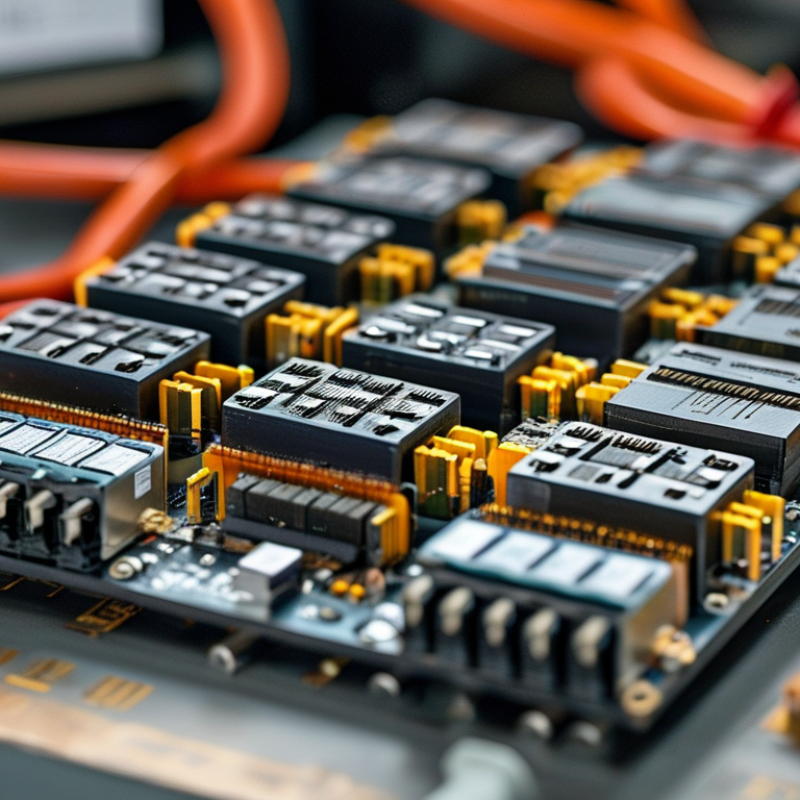
A replacement MOSFET is a compatible power transistor selected for an existing circuit. Buyers use one when the original device becomes scarce, expensive, or outdated. The match must cover voltage, current, on-resistance, gate charge, package, and pin layout. A similar part number is not enough. Thermal resistance also matters, especially inside compact chargers, motor drives, and industrial control boards.
Supply pressure makes this decision more important. The WSTS Spring 2024 forecast valued global semiconductor sales at 588.4 billion dollars for 2024, a 13.1% annual increase. Rising demand can lengthen delivery schedules for popular power devices. A qualified Chinese supplier may offer shorter sourcing routes, engineering samples, and second-source support. However, buyers should verify production traceability, test records, and change-control procedures. A lower price can hide higher switching losses. That mistake is costly.
Tips: Compare the complete datasheet, not only RDS(on). Check gate-drive voltage and switching frequency. Request samples from the same production lot. Test temperature rise under the real load. Independent laboratory testing adds confidence, although small buyers may overlook it. Also, confirm the package drawing and lead finish before approving a replacement. Datasheet matching feels precise, but real boards can still behave differently.
When evaluating Chinese MOSFET replacement suppliers, buyers should verify electrical equivalence before comparing prices. Check voltage rating, continuous current, RDS(on), gate charge, body-diode behavior, and switching losses. A replacement that fits the footprint may still overheat during real operation. WSTS reported global semiconductor sales of about USD 526.9 billion in 2023 and forecast strong growth for 2024. Demand pressure makes reliable sourcing more important.
Request datasheets, production-lot traceability, test conditions, and qualification records. Suppliers should explain whether values follow recognized methods, such as JEDEC testing practices, rather than presenting unexplained laboratory figures. For automotive applications, evidence aligned with AEC-Q101 is useful. For industrial products, ask for thermal cycling, high-temperature bias, and endurance results. Ask for samples.
Quality systems also deserve close review. Confirm factory audit records, incoming-material controls, wafer or die traceability, and failure-analysis procedures. Independent laboratory reports can strengthen confidence, but reports should match the exact part number and revision. RoHS and REACH documentation should be current for the destination market. Delivery capability matters too: examine minimum order quantities, lead-time history, safety stock, and change-notification procedures. A low quotation can become expensive after redesigns, delays, or field returns. No checklist is perfect. Human review still matters. My cautious view is simple: approve suppliers only after electrical, thermal, documentary, and commercial evidence agree.
China’s top ten ST MOSFET replacement suppliers serve different buyer needs, from prototypes to stable volume production. Supplier A in Shenzhen focuses on low-voltage switching devices and keeps incoming inspection records. Supplier B in Dongguan offers compact packages for adapters, lighting controls, and industrial boards. Its engineering team usually checks RDS(on), gate charge, voltage rating, and thermal behavior before sampling.
Supplier C in Suzhou supports automotive-grade procurement with lot traceability and controlled storage. Supplier D in Ningbo is more suitable for cost-sensitive power supplies, while Supplier E in Wuxi provides stronger laboratory support for high-frequency applications.
Supplier F in Xiamen handles smaller orders and can adjust packaging quantities. That flexibility matters.
Supplier G in Guangzhou supplies fast-turn samples, but buyers should verify production consistency after approval. Supplier H in Hangzhou emphasizes datasheet accuracy and test reports. Supplier I in Foshan combines MOSFET assembly with basic power-module services. Supplier J in Chengdu works with export distributors and prepares multilingual technical files.
Experienced buyers should request date-coded samples, cross-reference tables, avalanche ratings, and switching-waveform data. A supplier’s polished website proves little. Ask for factory audit evidence and independent test records. Some vendors provide excellent samples but weaker follow-up batches. That gap deserves attention. Also, replacement compatibility is never based on voltage alone. Pin layout, body diode behavior, heat dissipation, and driver timing can change field performance.
China Top 10 ST MOSFET Replacement Suppliers for Buyers
When comparing ten replacement suppliers, start with electrical equivalence, not catalog price. Check VDS, continuous ID, RDS(on), gate charge, switching loss, and avalanche rating. Package dimensions must match the existing PCB footprint. Thermal resistance matters too, especially inside a sealed inverter. A lower RDS(on) may increase gate charge. That trade-off deserves bench testing.
WSTS’s Spring 2024 Forecast projected global semiconductor sales of 611.2 billion dollars in 2024, a 16% annual increase. Such demand can tighten popular voltage classes. Ask each supplier for production location, wafer source, date code, and traceability records. Quality evidence should include AEC-Q101 or equivalent qualification, electrical test limits, reliability data, and change-control procedures. Do not accept a certificate without its test conditions.
Pricing needs a total-cost view. Include samples, inspection, tooling, freight, tax, and failure risk. Request ten-piece samples before approving ten thousand units. A low quote can mislead. I still recheck thermal performance after initial approval. Delivery comparisons should record confirmed stock, minimum order quantity, lead time, and on-time delivery history. Industry logistics reports often show that semiconductor lead times change by product category and demand cycle, so a written allocation plan is valuable. Keep two qualified sources where possible. The cheapest supplier is not always the safest replacement.
| Rank | Anonymized Supplier Profile | Typical MOSFET Voltage Range | Typical Current Range | RDS(on) Range at 10 V | Common Packages | Automotive Grade | Quality Certifications | Typical MOQ | Standard Lead Time | Indicative Price Index* | Best-Fit Applications |
|---|---|---|---|---|---|---|---|---|---|---|---|
| 1 | Supplier Profile A High-volume discrete semiconductor manufacturer |
30–800 V | 5–180 A | 2–250 mΩ | TO-220, TO-252, TO-263, DFN | Available | ISO 9001, IATF 16949, RoHS | 1,000 pcs | 4–8 weeks | Low–Medium | Power supplies, motor drives, industrial controls |
| 2 | Supplier Profile B Automotive and industrial power-device specialist |
40–650 V | 8–160 A | 3–320 mΩ | TO-220, TO-252, TO-263, DPAK | Available | IATF 16949, AEC-Q101 capability, RoHS | 500 pcs | 5–9 weeks | Medium | Automotive loads, battery systems, DC-DC converters |
| 3 | Supplier Profile C Cost-focused power semiconductor supplier |
30–600 V | 4–120 A | 4–420 mΩ | TO-220, TO-252, SOT-23, DFN | Selected series | ISO 9001, RoHS, REACH | 1,000 pcs | 3–7 weeks | Low | Consumer electronics, LED drivers, adapters |
| 4 | Supplier Profile D Medium-voltage MOSFET and module supplier |
60–1,200 V | 5–100 A | 5–600 mΩ | TO-247, TO-220, TO-263, Power Module | Limited | ISO 9001, RoHS | 250 pcs | 6–10 weeks | Medium | Solar inverters, UPS systems, high-voltage switching |
| 5 | Supplier Profile E Small-package and low-voltage MOSFET specialist |
20–150 V | 2–100 A | 0.8–180 mΩ | SOT-23, SO-8, DFN, PowerPAK-type | Selected series | ISO 9001, RoHS, REACH | 2,000 pcs | 4–8 weeks | Low | Portable devices, telecom equipment, battery protection |
| 6 | Supplier Profile F Fast-turnaround distributor with local inventory |
30–650 V | 5–150 A | 3–350 mΩ | TO-220, TO-252, SOT-23, DFN | Depends on source | Traceability documentation available | 100 pcs | 1–3 weeks from stock | Medium–High | Prototype builds, maintenance, urgent replacement orders |
| 7 | Supplier Profile G High-reliability industrial semiconductor supplier |
40–900 V | 6–140 A | 3–450 mΩ | TO-220, TO-247, TO-263, DFN | Limited | ISO 9001, ISO 14001, RoHS | 500 pcs | 6–12 weeks | Medium–High | Factory automation, energy storage, industrial drives |
| 8 | Supplier Profile H Custom specification and private-label production partner |
30–1,000 V | 5–200 A | 2–500 mΩ | TO-220, TO-247, TO-263, Custom | By project | ISO 9001, RoHS, customer audit support | 5,000 pcs | 8–16 weeks | Low at volume | OEM designs, high-volume appliances, power platforms |
| 9 | Supplier Profile I Export-oriented component supplier |
25–650 V | 3–130 A | 4–400 mΩ | SOT-23, SO-8, TO-220, TO-252 | Selected series | ISO 9001, RoHS, REACH | 500 pcs | 5–10 weeks | Low–Medium | Consumer products, chargers, lighting and control boards |
| 10 | Supplier Profile J Engineering-led replacement and sampling supplier |
20–800 V | 2–160 A | 2–550 mΩ | SOT-23, SO-8, TO-220, TO-247 | On request | ISO 9001, RoHS, REACH, sample reports | 50 pcs | 2–5 weeks for samples | Medium | Design validation, replacement testing, small-batch production |
Choosing a replacement MOSFET supplier in China starts with an exact electrical comparison. Record voltage rating, continuous drain current, RDS(on), gate charge, package, and thermal limits. Small differences matter. Request the supplier’s datasheet, lot traceability, qualification reports, and change-notification policy. A capable engineer should explain test conditions, not merely repeat catalogue values. This is where many buying decisions become too optimistic.
Shortlist suppliers with in-house inspection or documented third-party testing. Ask for recent production samples from the same factory and package source. Check marking quality, lead finish, dimensions, and electrical results across several pieces. Do not approve one sample alone. Compare supplier experience with similar voltage and switching requirements. During a video audit, inspect incoming inspection records, storage controls, and packing methods. Photos help, but they are not proof.
Before purchasing, confirm MOQ, lead time, payment terms, warranty scope, and replacement procedures in writing. Request conformity documents for your target markets. Use a small pilot order before committing to volume. Measure loss and temperature on your actual board, especially near maximum load. A lower quoted price can hide inconsistent batches or weak after-sales support. I would also keep an approved alternative, because supply plans rarely stay perfect. Choose evidence, stable communication, and repeatable quality over a fast quotation.
This practical 100-point procurement model emphasizes electrical compatibility first, followed by switching performance, product traceability, supply continuity, and engineering support. Buyers should validate every shortlisted replacement through datasheet comparison, samples, and application testing.
It is a compatible power transistor for an existing circuit. Buyers use one when the original becomes scarce, costly, or outdated.
Compare voltage, current, on-resistance, gate charge, package, pin layout, and thermal resistance. A similar part number is not enough.
Heat can build quickly inside compact chargers, motor drives, and control boards. Check temperature rise under the real load.
No. Gate-drive voltage, switching frequency, body diode behavior, and driver timing also matter. Voltage alone is misleading.
Request samples from the same production lot. Ask for date codes, test records, cross-reference tables, and switching-waveform data.
Check production traceability, factory audit evidence, storage controls, and change-control procedures. A polished website proves little.
A lower purchase price may hide higher switching losses. That mistake can increase heat and reduce field reliability.
Independent laboratory testing adds confidence, especially for demanding applications. Small buyers may overlook it, though that choice deserves reconsideration.
Confirm the package drawing, pin arrangement, lead finish, and heat-dissipation path. Small mechanical differences can stop installation.
Not completely. Some suppliers provide strong samples but weaker follow-up batches. Keep checking lot consistency after approval.
This guide explains what a St Mosfet Replacement is and why buyers may need one when facing supply shortages, discontinued components, cost pressures, or changing project requirements. It introduces practical criteria for evaluating Chinese MOSFET replacement suppliers, including electrical compatibility, voltage and current ratings, switching performance, thermal behavior, package design, manufacturing consistency, testing procedures, certifications, communication, and technical support. The focus is on helping buyers identify suppliers capable of providing dependable alternatives for power management, industrial control, automotive electronics, and consumer devices.
The article also presents profiles of ten leading supplier types and explains how to compare their specifications, quality systems, pricing structures, minimum order quantities, production capacity, lead times, and delivery reliability. Finally, it outlines a purchasing process that includes defining technical requirements, checking samples, verifying documentation, conducting compatibility tests, reviewing commercial terms, and confirming after-sales support. By following these steps, buyers can select a suitable St Mosfet Replacement supplier with greater confidence while balancing performance, cost, quality, and supply continuity.

Olukey