Top 5 Infineon Mosfet Alternatives You Should Consider?

Time:2026-08-25 Author:Aria
0%

The transition to more efficient power management systems has led to a surge in demand for MOSFETs. As of 2023, the global MOSFET market is projected to reach approximately $8.6 billion, reflecting an annual growth rate of around 8.1%. This shift has increased the interest in Infineon MOSFET alternatives, crucial for industries like automotive and consumer electronics. Companies are seeking reliable substitutes to enhance performance while managing costs effectively.

Infineon products are renowned for their reliability. However, there are several competitive alternatives that can match or even exceed their performance characteristics. Emerging technologies from players like STMicroelectronics and Texas Instruments show promise. Data from industry experts suggests that these alternatives can provide similar, if not better, thermal management and switching efficiency. This exploration of Infineon MOSFET alternatives not only broadens the market scope but also encourages innovation.

Recognizing the importance of variety in component choice can lead to significant cost savings. Yet, selecting the right alternative demands careful consideration of specifications and long-term reliability. This emphasis on informed decision-making is essential in the high-stakes world of power electronics, where performance directly impacts efficiency and operational costs.
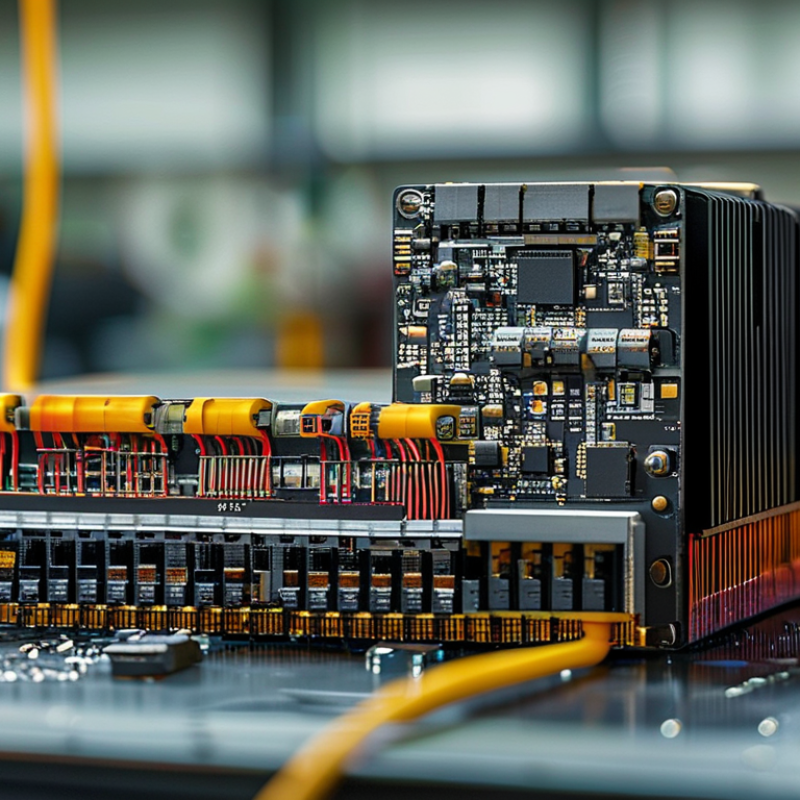
Top 5 Infineon Mosfet Alternatives You Should Consider?

Top Alternatives to Infineon Mosfets in Power Electronics Markets

The power electronics market is evolving rapidly. As the demand for efficient energy solutions grows, alternatives to established options are worth exploring. When considering alternatives, reliability and performance often come to the forefront. Identifying the right components can make a significant difference in system efficiency and longevity.

Tips on choosing mosfet alternatives include examining thermal performance and switching capabilities. Pay attention to the data sheets and their specifications. Ensure that the alternative meets your application's voltage and current needs. This critical step can prevent performance issues later on.

It's essential to evaluate the cost-effectiveness of alternatives. Sometimes, cheaper options lead to more significant problems down the line. Weigh the initial savings against potential long-term drawbacks. This reflection can guide you towards a more informed decision. Prioritizing understanding over immediate savings can yield better results in the future.

Performance Comparison: Infineon Mosfets vs. Leading Competitors

When evaluating alternatives to Infineon mosfets, a performance comparison is essential. Many competitors offer similar specifications but may excel in specific applications. It's important to assess your project requirements closely. For instance, thermal performance can vary significantly among different brands. Look for options that can efficiently handle heat dissipation to enhance performance.

Power efficiency is another key factor. Some alternatives may deliver better efficiency ratings, which translates to lower energy consumption. This can be crucial for applications requiring prolonged use. Consider looking at voltage ratings and on-resistance metrics for a fair comparison. Assessing these figures can help you select the best component for your needs.

Review feedback from other engineers. Their experiences can provide insights that data sheets often overlook. Use community forums and industry publications to gather diverse opinions. Understanding the strengths and weaknesses of each alternative can refine your decision process. A balance between performance and cost should guide your choices. Consider how a slight performance trade-off might lead to substantial cost savings in the long run.

Market Trends: Rising Demand for Mosfet Alternatives in 2023

The demand for MOSFET alternatives has surged in 2023, driven by various market trends. Industry reports indicate a significant uptick in the adoption of these components across sectors, particularly in automotive and renewable energy. Research shows that the global MOSFET market is expected to grow by 8% annually, revealing a strong need for alternatives. This shift reflects a broader trend towards efficiency and sustainability.

As power demands increase, manufacturers are exploring innovative materials and designs. Silicon carbide (SiC) and gallium nitride (GaN) technologies are emerging as viable substitutes. Data from recent studies suggest that these alternatives can improve thermal performance and switching efficiency by up to 20%. Many engineers report challenges with integrating these materials into existing systems, yet their potential benefits make them worth considering.

While the excitement around MOSFET alternatives grows, it's essential to approach with caution. Not all applications may benefit from these newer materials. In certain cases, the familiarity and reliability of traditional silicon components still hold value. Those exploring alternatives must consider specific requirements, such as voltage and thermal management, to avoid costly missteps. The quest for enhanced performance continues, and the dialogue around these future-forward solutions will shape the industry.

Cost-Effectiveness: Analysis of Infineon Mosfet Alternatives

When evaluating alternatives to Infineon MOSFETs, cost-effectiveness emerges as a critical factor. Many engineers seek options that balance performance and price. Some substitutes might offer better pricing but fall short in reliability or efficiency. Thus, a careful comparison is necessary. The goal is to find devices that meet the specifications without escalating costs excessively.

One notable aspect is the thermal performance of alternatives. Devices that heat up too quickly can lead to failure. Therefore, efficient heat dissipation measures are essential. Some alternatives may seem appealing at first glance but compromise on key specifications that impact overall performance. It's worth diving into technical documentation to understand each option's characteristics. This diligence aids in making informed decisions that align with the project's budget and performance needs.

There's also a focus on manufacturer reputation and support. Cost-effective options may come from lesser-known brands. While they can be cheaper, they might lack the same level of customer support and documentation. This uncertainty could lead to higher long-term costs if issues arise. Balancing cost with reliability is a unique challenge in the selection process, prompting further consideration of the true value each alternative provides.

Top 5 Infineon Mosfet Alternatives You Should Consider

Alternative Model On-Resistance (mΩ) V_DS (V) Current Rating (A) Price (USD)
Model A 10 150 50 2.50
Model B 12 120 45 2.80
Model C 8 200 60 2.20
Model D 11 160 55 2.60
Model E 9 180 50 2.40

Key Applications: Where Infineon Mosfet Alternatives Shine in Industry

In various industrial applications, alternatives to Infineon MOSFETs have gained traction. Their performance in electric vehicles is notable. High switching frequencies and low on-resistance optimize energy efficiency. These alternatives are crucial in enhancing battery management systems, delivering reliable power control.

Another area where these alternatives excel is renewable energy systems, especially solar inverters. Their robustness in handling high currents ensures effective, stable operation. The design of these MOSFETs enables them to effectively manage thermal performance, which is vital for solar applications. However, one must consider the challenges, such as compatibility with existing circuits. Balancing performance and cost remains a critical factor.

In industrial automation, the reliability of these MOSFETs plays a significant role. They fine-tune control in motor drivers and power supplies. This control can improve operation efficiency significantly. Yet, users should reflect on potential complexities in sourcing. Ensuring long-term supply availability can be a critical concern in fast-evolving markets.

FAQS

: What should I consider when choosing MOSFET alternatives?

: Examine thermal performance and switching capabilities. Review specifications and ensure they meet application requirements.

Why is thermal performance important for MOSFETs?

MOSFETs that handle heat well enhance performance and reliability. Poor heat management can lead to device failure.

How do cost-effective alternatives impact performance?

Cheaper options may compromise reliability or efficiency, causing long-term issues. Balance initial savings with potential drawbacks.

What is essential for comparing the performance of MOSFET alternatives?

Consider voltage ratings and on-resistance metrics. These figures help identify the most suitable components for your needs.

How can I gather insights on MOSFET alternatives?

Review feedback from other engineers and utilize community forums. Diverse opinions can highlight strengths and weaknesses not covered in data sheets.

Why might unknown brands be a concern?

While they offer better pricing, lesser-known brands may lack adequate support or documentation, leading to potential long-term costs.

Is immediate savings always the best approach?

Not necessarily. Focusing solely on lower costs can lead to performance issues later. Understanding true needs aids better decision-making.

How can I ensure I select the best component?

Analyze both performance and cost. Consider whether a slight sacrifice in performance could yield significant savings over time.

Are all alternatives comparable in efficiency?

No, alternatives can vary greatly in efficiency. Some options are specifically designed for applications that require prolonged use.

Should I prioritize manufacturer reputation in my selection?

Yes, a solid reputation can indicate reliability and support. This consideration can prevent unexpected costs and issues later.

Conclusion

The demand for Infineon Mosfet alternatives is on the rise, particularly in the power electronics market, as engineers seek more efficient and cost-effective solutions. A comprehensive comparison highlights the performance capabilities of these alternatives against traditional Infineon Mosfets, demonstrating that several competitors offer enhanced efficiency and reliability suited for diverse applications.

Market trends for 2023 indicate a shift towards these alternatives, driven by the need for innovative technologies that cater to specific industry requirements. The analysis of cost-effectiveness reveals that opting for Infineon Mosfet alternatives can lead to significant savings, without compromising on performance. Ultimately, understanding where these alternatives excel in various applications will help industry professionals make informed decisions, enhancing the overall effectiveness of their electronic designs.


Aria

Aria

Aria is a dedicated marketing professional with a deep passion for innovative strategies and a keen understanding of our company's product offerings. With a wealth of experience in the industry, Aria excels at crafting engaging content that highlights the unique features and benefits of our......