Select from our premium, high-volume production-grade MOSFET products optimized for cell balancing, power conversion, and overall system protection.
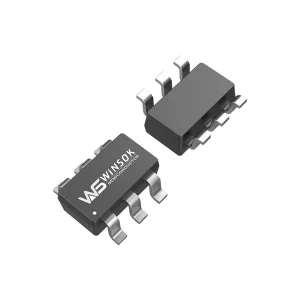
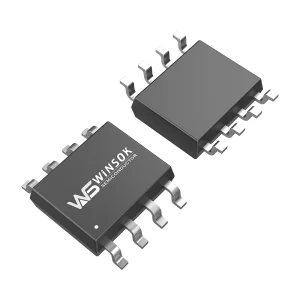
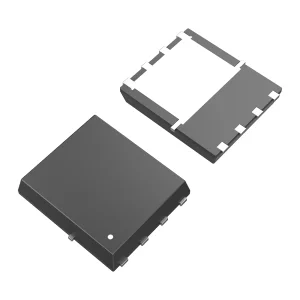
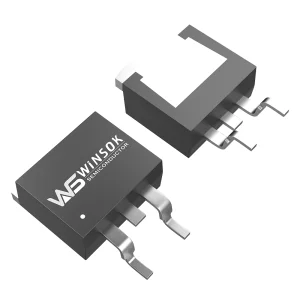
Battery Energy Storage Systems (BESS) represent the foundation of the modern renewable energy infrastructure, enabling grid stability, peak shaving, and distributed power management. Within these systems, power semiconductors, specifically Metal-Oxide-Semiconductor Field-Effect Transistors (MOSFETs), function as the critical control mechanisms within Battery Management Systems (BMS), active balancing circuits, and power conversion units (PCS).
As tier-1 Western chipmakers encounter prolonged lead times, volatile pricing structures, and systemic geopolitical supply disruptions, global OEMs and energy developers are aggressively adopting dual-sourcing strategies. Olukey Industry, partnering with WINSOK MOSFET, stands at the forefront of this shift, delivering high-reliability, drop-in replacement solutions that resolve sourcing risks while ensuring superior thermal management and high-efficiency operations.
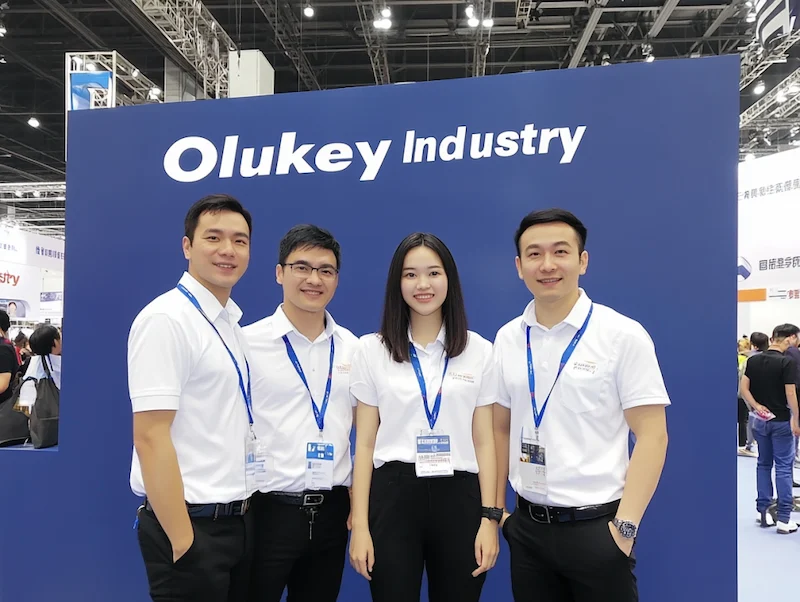
HONGKONG Olukey INDUSTRY CO., LIMITED is a leading solution provider focusing on the overall integration of high-performance electronic components. Our product portfolio spans three core specialized lines: WINSOK MOSFETs, Cmsemicon MCUs, and end-to-end PCBA circuit board solution development.
At present, Olukey Industry's components are deployed globally in high-reliability applications including automotive electronics, military electronics, smart industrial systems, new energy architectures, smart medical devices, 5G infrastructure, IoT systems, smart home platforms, and consumer electronics.
Leveraging deep relationships as authorized partners and global general agents of major primary fabrication facilities, we serve the Asia-Pacific and global markets. We are dedicated to providing advanced electronic components through structured supply-chain services, assisting manufacturing partners in building reliable products with minimal time-to-market.
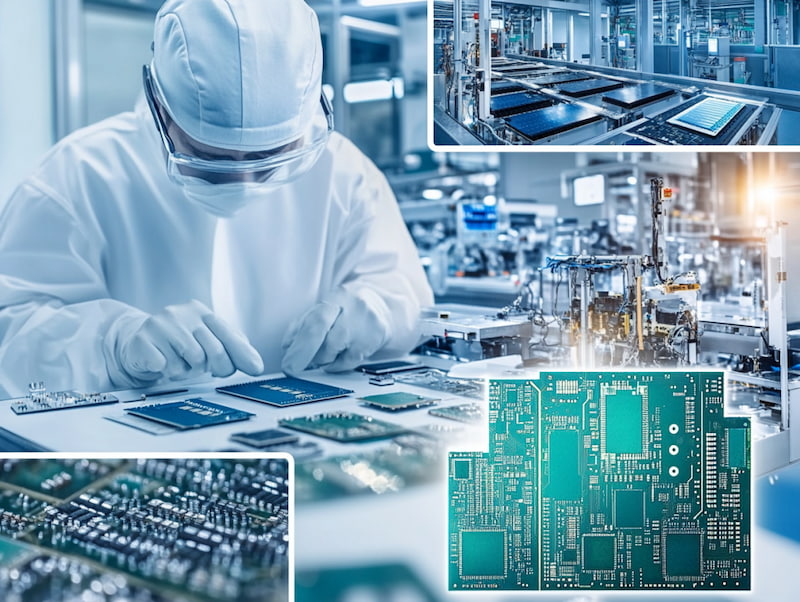
Discover how our structured supply networks, extensive model coverage, and quality-first methodology align with the operational needs of global BESS developers.
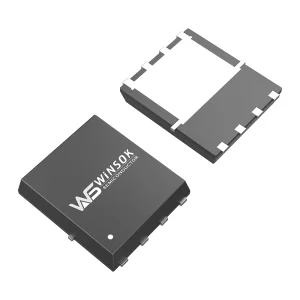
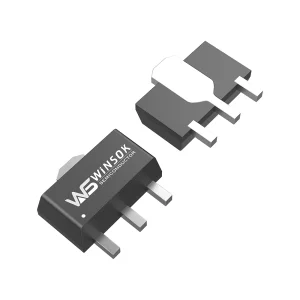
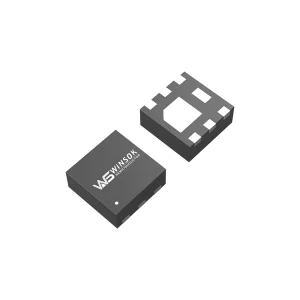
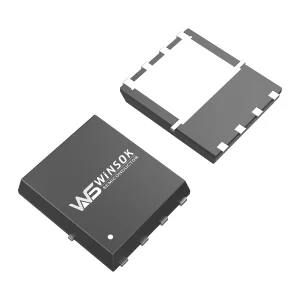
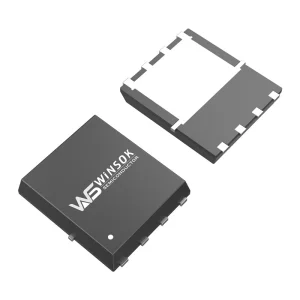
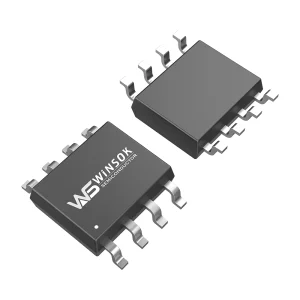
WINSOK MOSFET's product line spans medium and low voltages: 15V, 20V, 30V, 40V, 60V, 80V, 100V, 120V, 150V, 200V, 250V, 300V, 400V, 500V, 600V, and 650V. We provide over 600 models across more than 40 package styles (DFN3X3-8, DFN5X6-8, TO-252, TO-263, SOP-8, SOT-23, TO-220, etc.), covering most medium and low voltage applications.
Relying on direct general agent channels of major semiconductor foundries, we bridge the gap between fab capacity and end-user demand. This integration ensures robust allocation even during high market demand, minimizing supply risks for continuous global BESS manufacturing schedules.
We work closely with manufacturers to provide complete engineering files, reliability validation logs, and application notes. By establishing good relationships with high-tech enterprises at home and abroad, we focus on continuous quality and structural reliability.

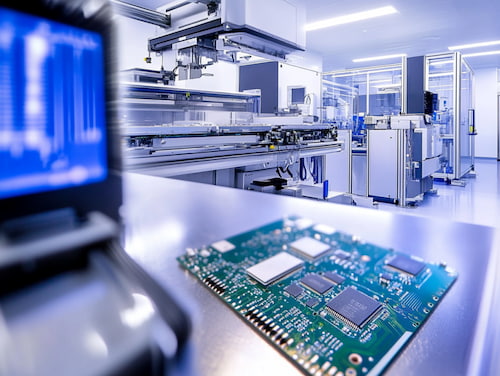
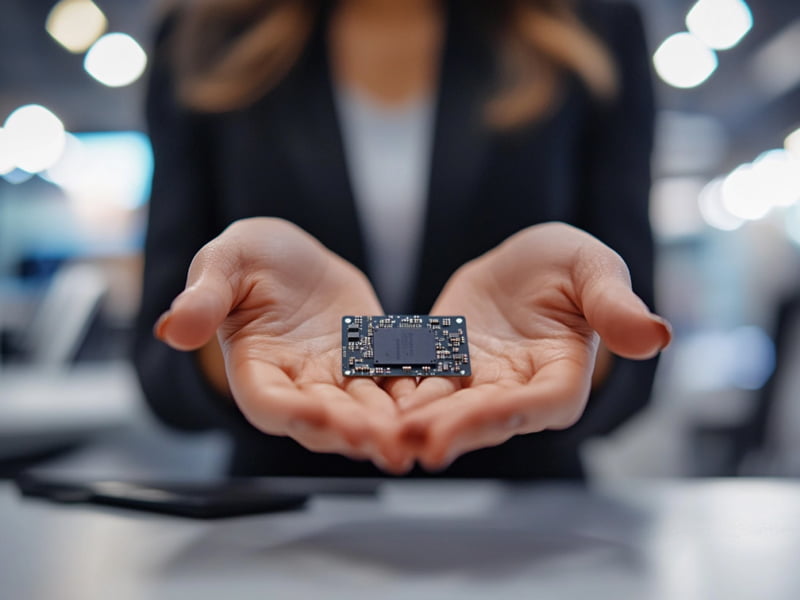
Understanding where power MOSFETs impact safety, thermal performance, and efficiency across residential, commercial, and utility-scale energy storage systems.
Modern battery packs consist of hundreds of lithium-ion or LFP cells wired in series. Due to manufacturing tolerances, cell charge levels will diverge over time. Low-voltage N-channel and P-channel MOSFETs (such as 30V-60V options in SOP-8 and DFN3X3-8 packages) serve as active or passive balancing switches, bleeding off charge from higher-capacity cells or redistributing energy across the pack. If these switches fail, pack capacity declines, potentially leading to hot spots.
In BESS protective circuits, back-to-back MOSFET switches prevent over-discharge, over-charge, and short-circuit conditions. These high-current devices must sustain low steady-state losses (RDS(ON) < 2mΩ) and handle significant transient thermal loads without risk of localized package destruction.
To power the cooling fans, internal controllers, and safety circuits, BESS units integrate step-down auxiliary converters. Medium-to-high voltage MOSFETs (100V to 650V in TO-252/TO-263 packages) operate as primary switches in buck-boost or flyback topologies, maintaining stable control power across varying battery charge levels.
Residential BESS (typically 48V-400V packs) prioritizes low noise, compact footprints (DFN, SOT), and cost efficiency. Utility-scale setups (1000V-1500V arrays) focus on low resistance, high current limits, and mechanical durability (TO-220, TO-263, TO-247 packages) to handle high power demands.
Cross-reference guide for system engineers transitioning from legacy Western/Japanese brands to WINSOK alternatives for BESS sub-assemblies.
| Target Parameter / Function | Legacy Brand Part Reference | WINSOK MOSFET Alternative | Package Formats | Advantage & Value Gain |
|---|---|---|---|---|
| Dual N/P Ch Cell Balancing Switch | AO6604 / AO6608 | WSP4606 / WSP4608 | SOP-8L / DFN3x3 | Equivalent gate charge (Qg), lower thermal dissipation footprint. |
| High Current Protective Switch (40V) | Infineon BSC010N04LS | WSD4080DN56 | DFN5x6-8 | High continuous current capacity (85A), low steady-state heat generation. |
| Mid-Voltage Power Converters (60V) | ON Semi FDD86102 | WSD6040DN56 | DFN5x6-8 | Optimized Safe Operating Area (SOA) for high transient currents. |
| Auxiliary SMPS Buck/Boost (150V) | STMicro STD20NF20 | WSF20N15 | TO-252-2L | High dV/dt ruggedness under rapid load transitions. |
| BMS Protection Matrix (100V Dual) | Nexperia PSMN015-100P | WSD27N10DN56 | DFN5x6-8L | Dual N+P channel design reducing PCB component count by 50%. |
Why manufacturing partnerships with Chinese semiconductor suppliers help mitigate long-term manufacturing risks.
Global logistics bottlenecks have shown that relying on a single manufacturing region introduces supply risks. Deploying WINSOK MOSFETs alongside existing European or American chip brands provides component redundancy, ensuring assembly lines continue operating during supply issues.
Large-scale wafer fabs in China maintain agile scheduling and high production capacity. Typical lead times for WINSOK power semiconductors range from 4 to 8 weeks, compared to 20+ weeks for traditional legacy suppliers, helping projects stick to their commissioning dates.
Lower overheads, optimized package configurations, and localized packaging ecosystems help lower unit costs. This cost structure enables BESS manufacturers to protect margins without compromising quality, especially in cost-sensitive grid projects.
Olukey Industry provides integrated design assistance. By combining Winsok MOSFETs with Cmsemicon microcontrollers (MCU), engineers can design unified, validated driver and power systems, reducing design-cycle delays.
Ensuring power semiconductors meet the rigorous safety and environmental frameworks required for integration into international utility networks.
All packaging and testing operations run under ISO 9001 certified protocols. Every batch has traceability records linked to the original wafer fabrication runs, ensuring quality control from raw materials to final components.
While safety standards apply to full systems, individual components play a critical role in safety. Winsok MOSFETs are designed to prevent thermal runaway in cells by supporting active protection schemes, facilitating system-level compliance with UL9540A testing.
Our complete MOSFET catalog is fully compliant with RoHS and REACH guidelines, ensuring components are free from restricted substances and meet clean energy market entry requirements.
Analyzing future changes in semiconductor packaging, material science, and circuit topology design.
To reduce copper losses, energy storage architectures are shifting from 1000V towards 1500V arrays. This change shifts requirements toward power semiconductors with higher voltage breakdown ratings, keeping systems operating safely and reliably.
Traditional leaded packages are transitioning to surface-mount, thermal-pad configurations (like DFN and QFN packages). These styles optimize heat transfer to the system's thermal structures, keeping operating temperatures lower.
Microcontrollers (MCUs) are increasingly integrated with MOSFET driver stages. This combined architecture allows for real-time monitoring of voltage, current, and temperature, enabling early diagnostics before faults occur.
Technical advice for engineering teams transitioning components and qualifying new semiconductor sources.
Verification involves matching crucial electrical and thermal specifications. Standard parameters include the continuous drain current (ID), gate-source threshold voltage (VGS(th)), on-resistance (RDS(ON)) at specific gate drives, and input/output capacitance values. Ensuring physical package dimensions match allows for direct drops without requiring board layout changes.
Our standard production cycles for WINSOK MOSFETs run between 4 and 8 weeks, depending on the wafer foundry schedule and the specific package configuration. Compared to industry lead times that can span several months, our logistics network helps ensure predictable project execution.
Yes. WINSOK MOSFETs undergo strict quality testing, including High-Temperature Reverse Bias (HTRB), High-Temperature Gate Bias (HTGB), and humidity testing. This testing ensures stable performance across wide temperature ranges, fitting BESS units deployed in harsh environments.
Yes. Olukey is a complete solution provider. We offer engineering assistance, including circuit board schematic reviews, gate driver tuning, and software customization for Cmsemicon MCUs, ensuring proper operation of the combined control and power sections.
Engineering teams can request samples by visiting individual product pages or contacting our sales office directly. We provide sample packages with complete datasheets and test reports to support prototyping and design validation phases.
Explore additional options for power switching, battery protection, and voltage regulation across energy storage systems.
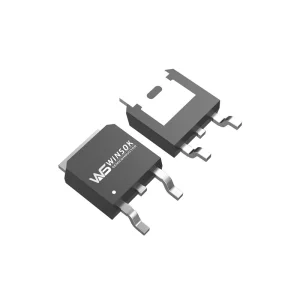
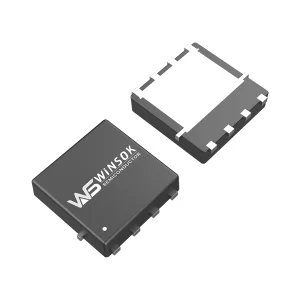
 Olukey