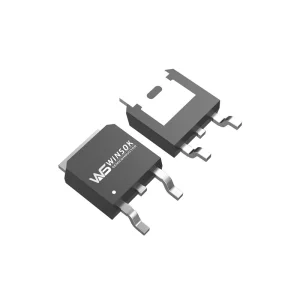
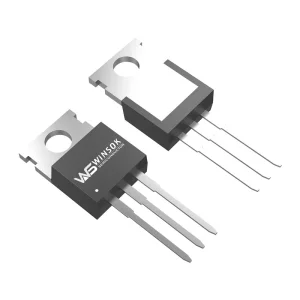
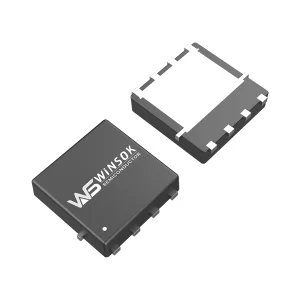
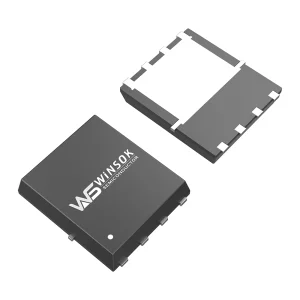
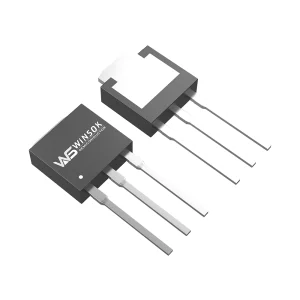
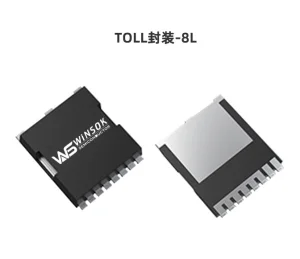
Discover high-reliability N-channel and P-channel MOSFETs in stock, ready for delivery. Get free samples for prototype validation and design optimization.
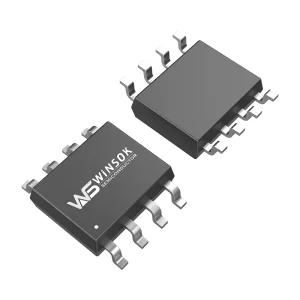
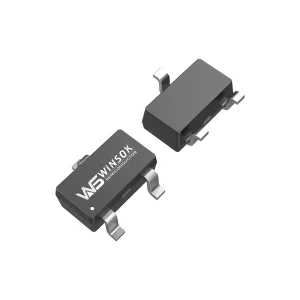
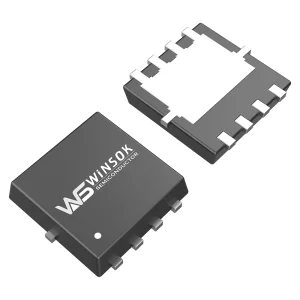
The global transition to sustainable energy has accelerated the adoption of Lithium Iron Phosphate (LiFePO4) chemistry across heavy industrial, automotive, and energy storage systems (ESS). Known for its superior thermal stability, prolonged cycle life, and non-toxic profile, LiFePO4 is rapidly replacing traditional Lead-Acid, Nickel-Cadmium, and standard Cobalt-based Lithium-ion batteries. However, unlocking the robust performance of LiFePO4 requires highly responsive, ultra-low losses in power switching. This is where high-quality Power MOSFETs play a decisive role.
In a standard Battery Management System (BMS) for LiFePO4 cells, the Power MOSFET functions as the primary safety gatekeeper. It facilitates charging, discharging, and rapid disconnects during over-current, over-charge, and thermal anomalies. Designers must address strict criteria: minimizing RDS(on) to mitigate thermal stress, ensuring wide Safe Operating Areas (SOA) for high-inrush currents, and providing package compactability to optimize board space. By sourcing qualified, low-resistance silicon components, developers achieve the thermal headroom necessary for 100% duty cycle efficiency.
When selecting a Power MOSFET for battery replacement circuits, engineers must focus on key parameters that govern system longevity:
Our catalog features parts built in modern wafer foundries, offering low parametric drift under high thermal cycling environments.
By implementing advanced trench gate technologies, we reduce static conduction losses, improving system efficiency.
Designed to withstand transient overcurrent surges typical of electric motor startups and high-load capacitance charging.
The global demand for energy-efficient semiconductors has driven standardizing supply paths. China's industrial semiconductor hubs, especially in the Shenzhen and Greater Bay area, represent a concentration of design innovation, advanced packaging, and testing facilities. This ecosystem enables rapid iteration from tape-out to physical production, bypassing traditional supply chain bottlenecks.
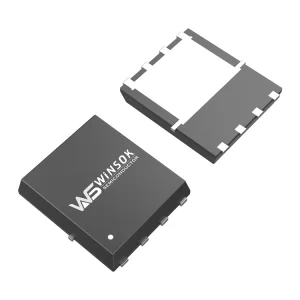
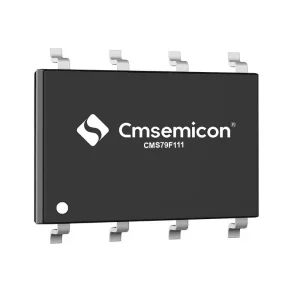
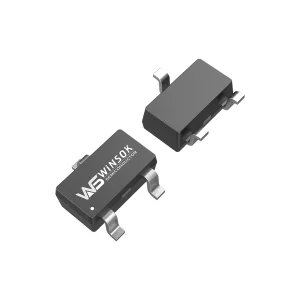
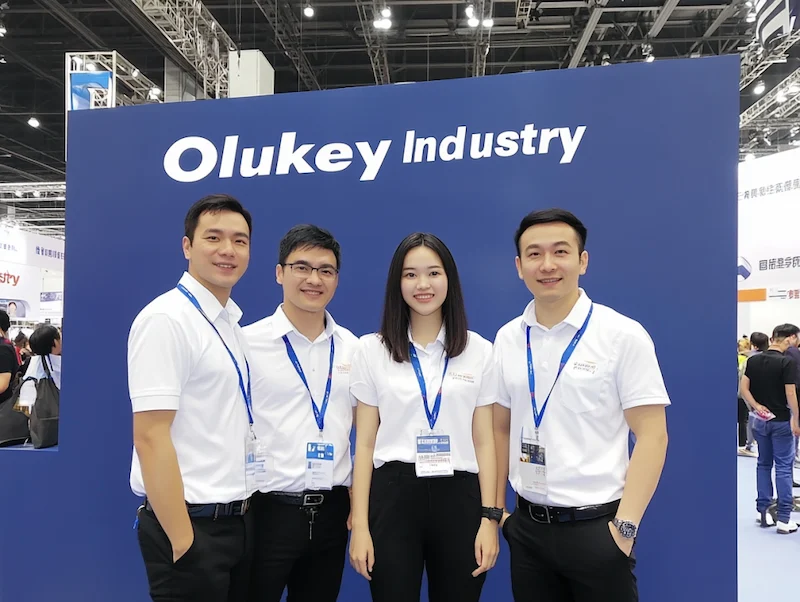
For international procurers, sourcing directly from established suppliers like Hongkong Olukey Industry Co., Limited offers a balance of price, performance, and volume predictability. By partnering with native semiconductor design houses like WINSOK and Cmsemicon, we secure high-volume allocations directly from the fab. This vertical integration keeps prices stable and lead times short, ensuring your production lines stay active during global supply variations.
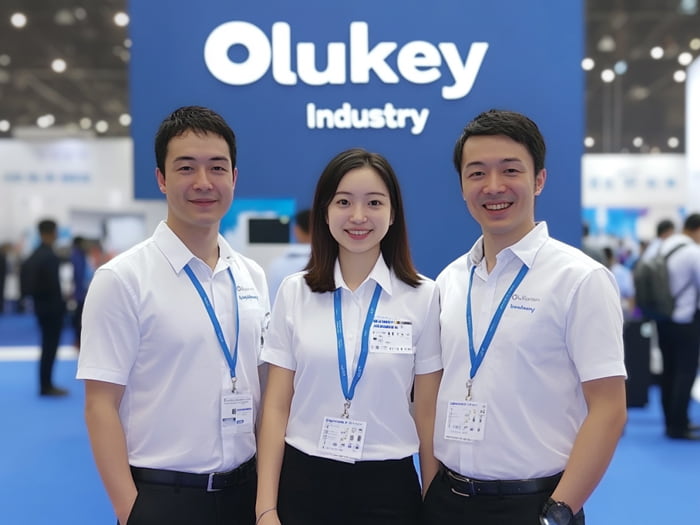
HONGKONG Olukey INDUSTRY CO., LIMITED is an electronics solution provider specializing in integrated semiconductor services. Our main offerings focus on three key pillars: WINSOK MOSFET, Cmsemicon MCU, and custom PCBA design solutions.
We serve clients in automotive systems, military-grade electronics, smart industrial automation, solar energy, smart medical, 5G networking, and smart home appliances. By leveraging factory-direct agency relationships, we support manufacturing clients with reliable components, custom logistics, and engineering support.
Upgrading systems to LiFePO4 batteries requires careful consideration of local operating conditions. Different industries present unique engineering challenges:
Telecom infrastructure in remote areas requires battery systems capable of operating under high thermal swings without maintenance. Standard lead-acid cells fall short in these climates. Replacing them with LiFePO4 systems requires robust switching circuits. High-power MOSFETs like the WSK96N08 (80V, 96A) or the WSD40200DN56G (40V, 180A) provide low RDS(on) to keep temperatures low in enclosed cabinets.
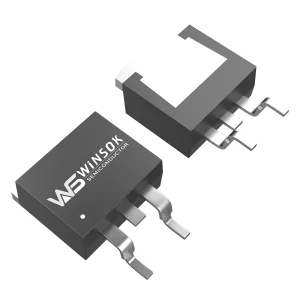
E-scooters, electric golf carts, and automated guided vehicles (AGVs) experience high current surges during acceleration and regenerative braking. MOSFETs in the BMS must manage bidirectionally. Devices in robust packages, like TO-263-2L or TO-220, provide the physical strength and thermal capacity to prevent thermal runaway under heavy usage.
Home storage systems require long lifetimes (typically 10 to 15 years). Because standard lithium cells decay faster under high charge states, LiFePO4 is the preferred option. The switching MOSFETs in these systems operate through daily charge/discharge cycles. Using reliable components with low gate charges ensures minimal switching loss, optimizing overall round-trip storage efficiency.
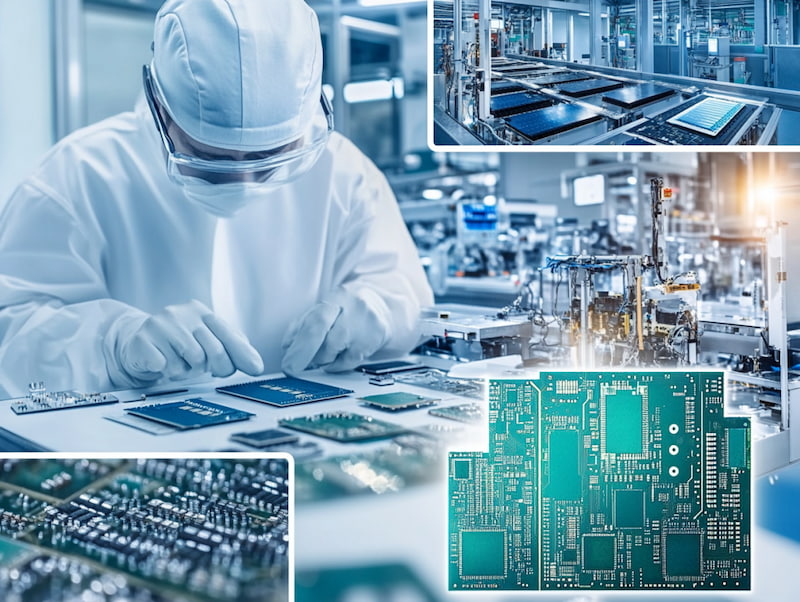
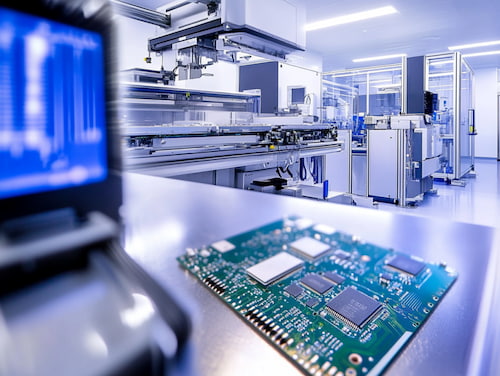
We monitor every step of the supply chain, from raw wafer reception to final packaging and testing, ensuring quality and reliability.

Get technical answers to common questions about selecting, upgrading, and implementing power switches in LiFePO4 battery management systems.
Browse our selection of high-power switches, including low-side, high-side, and specialized microcontrollers for your battery management needs.
 Olukey