Explore high-performance N-channel and P-channel silicon components. Specifically designated for Lithium-Ion Battery protection circuit modules (PCMs), fast-switching converters, and power management units.
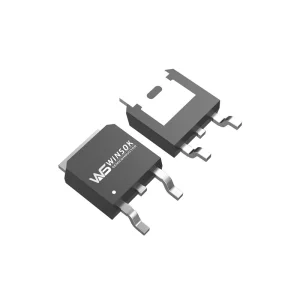
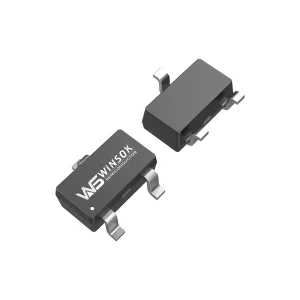
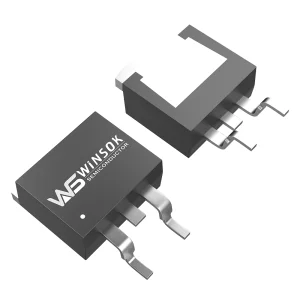
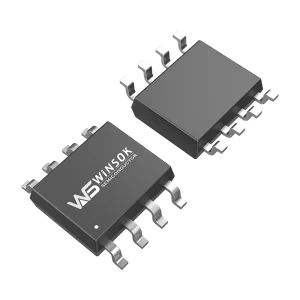
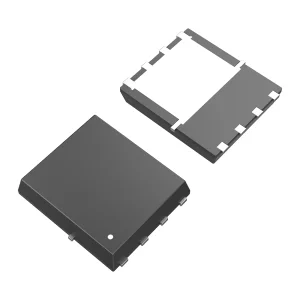
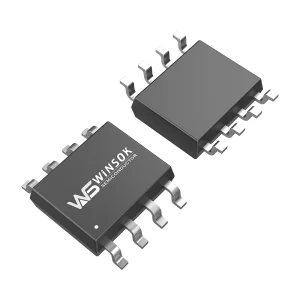
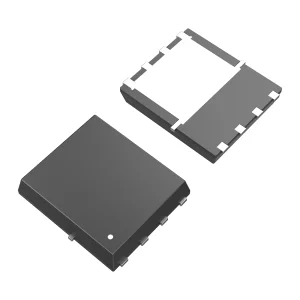
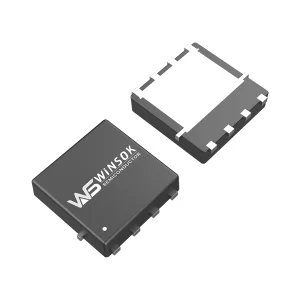
The global transition towards zero-emission energy and pervasive mobile computing has driven an unprecedented surge in Lithium-Ion (Li-Ion) battery adoption. From portable electronics, robotic automation, and electric vehicles (EVs), to utility-scale Battery Energy Storage Systems (BESS), the integrity of the battery protection circuit module (PCM) is paramount. In this architecture, the Metal-Oxide-Semiconductor Field-Effect Transistor (MOSFET) functions as the key safety gatekeeper.
In modern power system architectures, switching to the latest design MOSFETs represents far more than a simple component swap. It is a strategic move to optimize energy efficiency, prevent thermal runaway, and enhance product life cycles. Industrial procurers and system engineers are actively phasing out outdated trench structures in favor of Shielded Gate Trench (SGT) technology. This paradigm shift offers drastically reduced Drain-to-Source On-Resistance ($R_{DS(on)}$) and exceptionally low Gate Charge ($Q_g$), mitigating parasitic losses and improving switching dynamics.
Globally, supply chain vulnerability has taught enterprises the vital importance of multi-source component procurement. Relying on single-source traditional semiconductor giants introduces severe bottlenecks. By integrating high-compatibility replacement options—such as those produced by WINSOK MOSFET and distributed through authoritative channels like Hongkong Olukey Industry Co., Limited—global original equipment manufacturers (OEMs) secure supply continuity without compromising on rigorous automotive and military-grade performance criteria.
China's semiconductor fabrication ecosystem has evolved from high-volume packaging houses into high-technology innovation hubs. The convergence of domestic raw material supply, high-density packaging machinery, and rapid prototyping clusters makes China-based production lines exceptionally efficient. This efficiency translates directly into cost advantages and compressed lead times for global purchasers.
Unlike Western foundries that require long queues and high minimum order quantities (MOQs) for custom runs, Chinese design houses and packing lines leverage modular architectures. Whether you need specific parameters like a P-channel -200V -40A configuration in a TO-252-2L package (e.g., WSF45P10) or highly compact DFN3X3-8 custom configurations, development pipelines are built for speed.
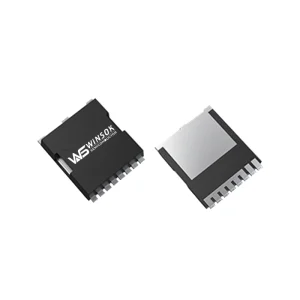
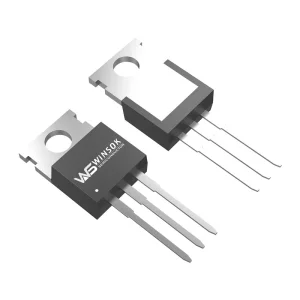
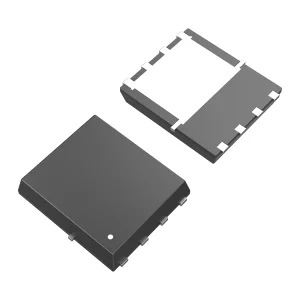
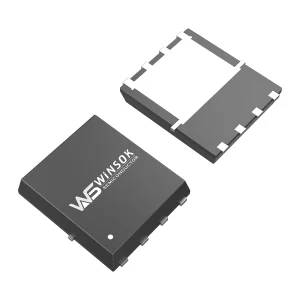
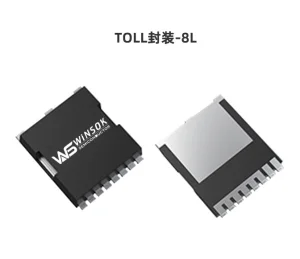
Modern Li-Ion battery management systems require high power density. Chinese factories have pioneered the scale commercialization of space-saving packages such as DFN5X6-8, DFN3X3-8, SOP-8L, and TOLL (Transistor Outline Leadless). These package footprints dramatically lower parasitic inductance, yielding improved heat dissipation over classical TO-220 or TO-263 formats.
Operating out of technological hubs in Shenzhen and Hong Kong, organizations like Hongkong Olukey Industry Co., Limited synthesize localized supply networks. By pairing Cmsemicon MCU processing controllers, silicon-wafer design factories, and packaging operations, they deliver a comprehensive components suite under unified quality control, bypassing costly global freight intermediaries.
This localized efficiency is backed by strict compliance with international manufacturing benchmarks. Standard testing regimes include High-Temperature Gate Bias (HTGB), High-Temperature Reverse Bias (HTRB), and electrostatic discharge (ESD) susceptibility, assuring that cost optimization is achieved alongside high performance and reliability.
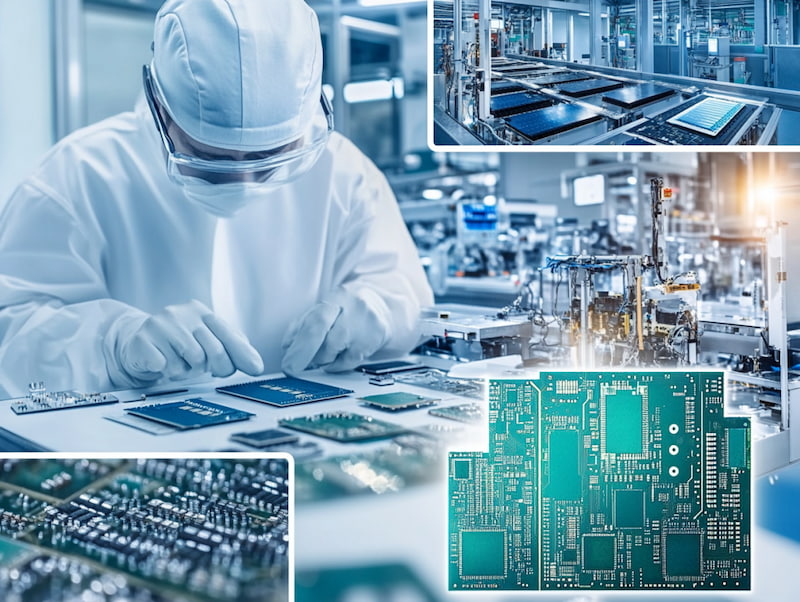
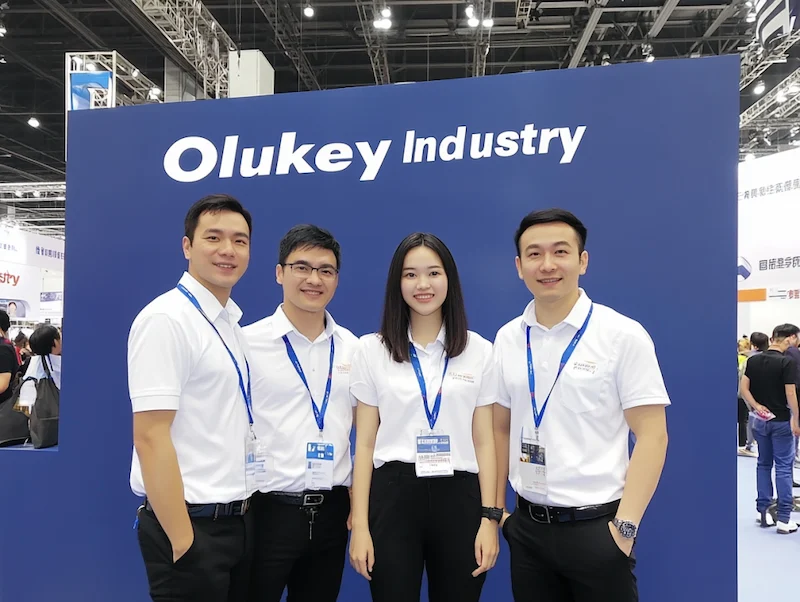
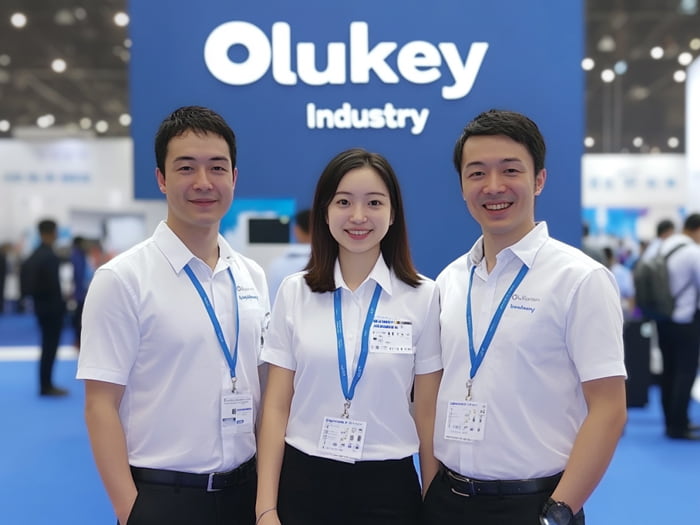
HONGKONG Olukey INDUSTRY CO., LIMITED is an integrated solution provider specializing in electronic product components. The company's core focus spans three major pillars: WINSOK MOSFETs, Cmsemicon MCUs, and customized PCBA circuit board development. This comprehensive portfolio enables Olukey to serve as a one-stop partner for complex electronic product lifecycles.
At present, Olukey Industry's components are deployed across automotive electronics, military electronics, smart industrial control systems, new energy architectures, smart medical equipment, 5G infrastructure, the Internet of Things (IoT), and smart home appliances. Operating as global general agents of major original factories, the company has built its market position in the Asia-Pacific region by offering excellent technical support, secure buffer stocking, and rapid end-of-life (EOL) component replacement solutions.
When selecting a MOSFET for Li-Ion battery replacement, design engineers must analyze multiple critical electrical parameters to ensure safe operating area (SOA) protection, high reliability, and efficient power transfer.
For single-cell battery applications (3.7V nominal), a $V_{DS}$ of 20V to 30V provides an ample safety margin against voltage spikes during charging. In multi-cell battery packs (e.g., 36V or 48V e-bike batteries), MOSFETs must be rated for 60V, 80V, or 100V. WINSOK’s voltage spectrum spans 15V up to 650V, offering comprehensive coverage across low, medium, and high voltage requirements.
Because battery protection circuits remain in the "ON" state during normal discharge, minimizing conduction losses ($I^2R_{DS(on)}$) is critical. High $R_{DS(on)}$ leads to excessive heating within the battery pack, which accelerates cell degradation. Modern SGT packaging processes allow modern MOSFETs to keep $R_{DS(on)}$ values below 1.5 milliohms (mΩ) in standard DFN5X6 configurations.
In switching converters and smart chargers, the speed of transition is vital to prevent switching losses. Selecting a MOSFET with low $Q_g$ enables high-speed transitions even with low-power gate drivers (e.g., directly driven by a micro-controller unit). Lower total capacitance guarantees swift turn-on and turn-off times.
Furthermore, thermal dissipation performance (expressed as $R_{\theta JC}$ - Junction to Case Thermal Resistance) must be managed carefully. A transition from an older leaded TO-220 package to a surface-mount DFN5x6 or a flat-lead TOLL package often yields up to a 60% reduction in thermal resistance, allowing design engineers to optimize their thermal layouts and design more compact battery packs.
As the demand for energy storage and mobility rises worldwide, MOSFET applications are diversifying across specialized industrial and commercial sectors. Sourcing high-quality replacements requires a strong understanding of these specific design environments:
Operating in environments subject to vibration, dust, and temperature extremes, micromobility BMS units demand MOSFETs with high avalanche ruggedness ($E_{AS}$) to withstand back-EMF spikes from electric motors. Dual N-Channel 100V units like the WSD30N10DN56T are frequently specified here.
Cordless power tools demand transient currents exceeding 100A during heavy load. High-current packages like the WSM320N04G (40V, 320A in a TOLL-8L package) ensure reliability without thermal runaway, preventing circuit degradation over long-term use.
Ultra-thin devices like smart bands, e-readers, and wireless sensors operate within tight space constraints. Small-outline packages, such as the SOT-23 (e.g., WST3409) and TSSOP-8 (e.g., WSP8205), allow designers to fit battery protection circuits into highly compact form factors.
Large-scale solar and backup power storage systems string together multiple Li-Ion modules. High-voltage MOSFET series like the WSR20N60 (600V 20A) provide the electrical barrier and reliability required to manage high-voltage configurations safely.
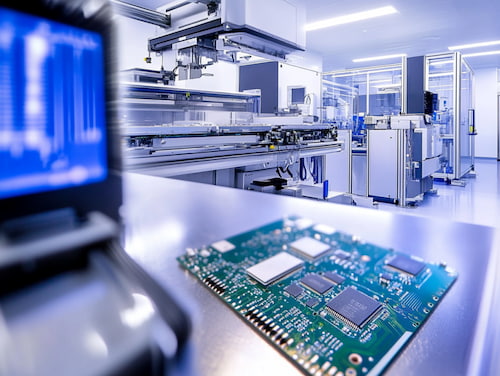
A visual overview of Hongkong Olukey Industry Co., Limited's partner fabrication and testing facilities. These operations support high-precision packaging, cleanroom wafer processing, and rigorous reliability testing for WINSOK MOSFETs and Cmsemicon MCUs.

Frequently asked technical questions regarding the cross-referencing, replacement, and optimization of power MOSFETs in Lithium-Ion battery protection systems.
Explore additional high-performance solutions from our range, supporting design flexibility across high-current industrial systems and compact consumer devices.
 Olukey