Part Number
WSD30L90DN56
Voltage (VDS)
-30V
Current (ID)
-90A
Resistance (RDS(ON))
5.2mΩ
Channel
P-Channel
Package
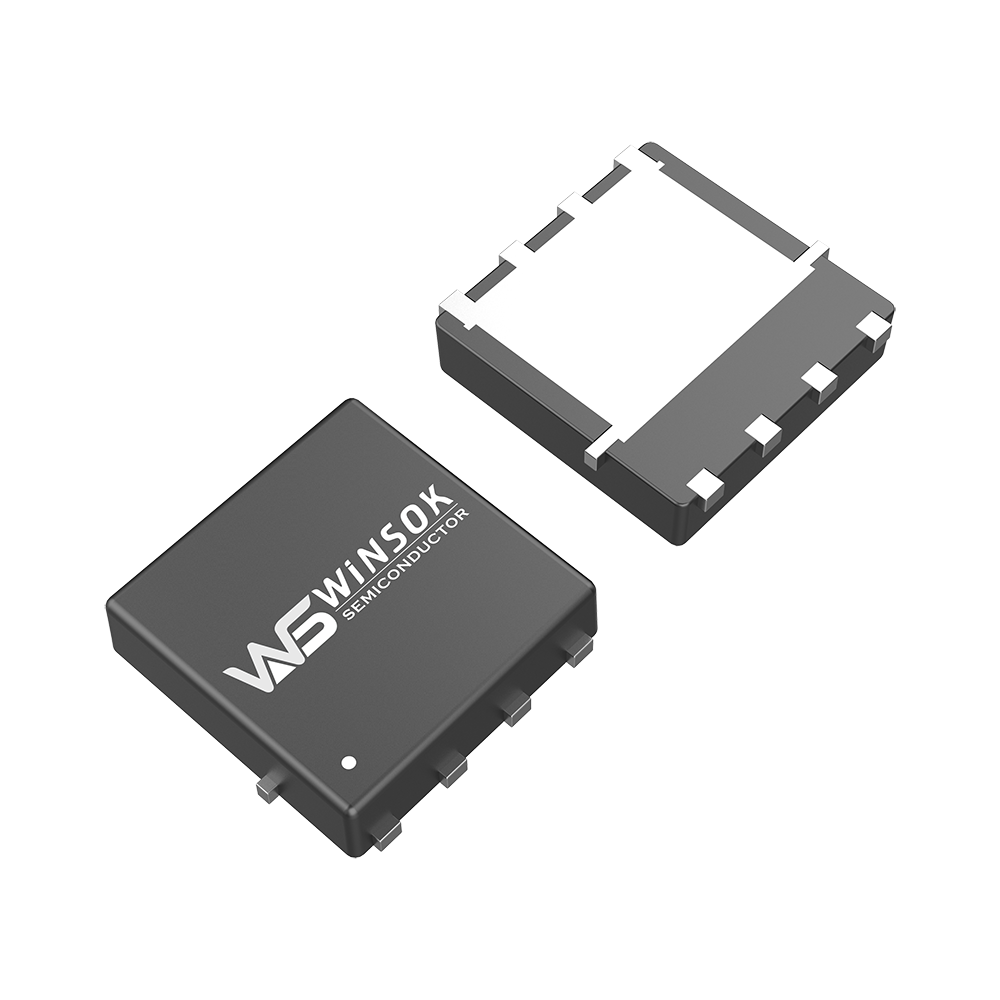
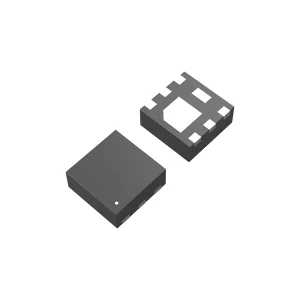
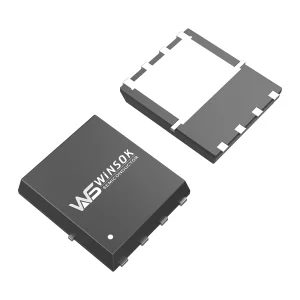
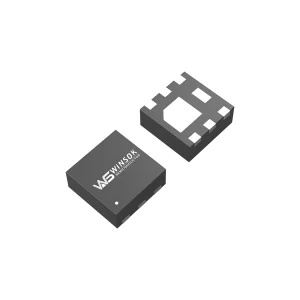
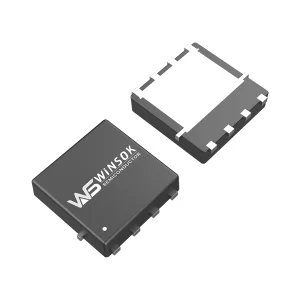
DFN5X6-8L
The voltage of WSD30L90DN56 MOSFET is -30V, the current is -90A, the resistance is 5.2mΩ, the channel is P-Channel, and the package is DFN5X6-8L.
Applications
E-cigarette
Wireless charger
Motor
Drone
Medical
Car charger
Controller
Digital products
Small appliances
Consumer electronics
Technical Specifications Table
| Part number |
Configuration |
Type |
VDS (V) |
VGS ±(V) |
ID (A) |
RDS(ON) (mΩ) |
RDS(ON) (mΩ) |
Ciss (pF) |
Package |
| @10V |
@6V |
@4.5V |
@2.5V |
@1.8V |
| Typ. |
Max. |
Typ. |
Max. |
Typ. |
Max. |
Typ. |
Max. |
Typ. |
Max. |
Typ. |
Max. |
| WSD30L90DN56 |
Single |
P-Ch |
-30 |
25 |
-90 |
5.2 |
6.4 |
- |
- |
8.6 |
12 |
- |
- |
- |
- |
3200 |
DFN5X6-8L |
Cross References & Equivalents
AOS:
AON6403, AON6407, AON6411
ST:
STL130N8F7, STL135N8F7AG, STL130N8F7, STL135N8F7AG, STL62P3LLH6
PANJIT:
PJQ5427
NIKO:
PK5B9BA
POTENS:
PDC3959X
Frequently Asked Questions (FAQ)
What are the primary specifications of the WSD30L90DN56 MOSFET?
The WSD30L90DN56 is a P-Channel MOSFET featuring a drain-source voltage (VDS) of -30V, a continuous drain current (ID) of -90A, and a low on-resistance (RDS(ON)) of 5.2mΩ.
What is the package style of WSD30L90DN56?
It is packaged in a DFN5X6-8L format, which offers a compact footprint, excellent thermal efficiency, and is optimal for high-density power circuit designs.
Which application areas is this P-Channel MOSFET suited for?
This component is highly suitable for e-cigarettes, wireless chargers, motors, drones, medical equipment, car chargers, controllers, digital products, small household appliances, and various consumer electronics.
What equivalent part numbers can replace WSD30L90DN56?
Equivalent cross-reference parts include AOS AON6403, AON6407, and AON6411; ST STL130N8F7, STL135N8F7AG, and STL62P3LLH6; PANJIT PJQ5427; NIKO PK5B9BA; and POTENS PDC3959X.
Why is the 5.2mΩ resistance value significant?
A lower RDS(ON) of 5.2mΩ reduces conduction power losses, improves overall efficiency, and lowers operational heat generation inside the system.
 Olukey