 Olukey
1 / 1
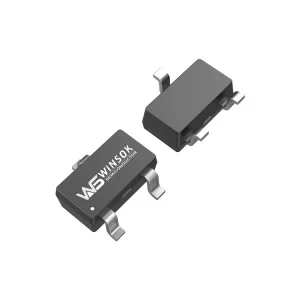
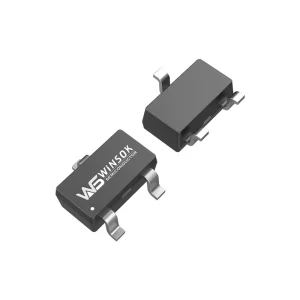
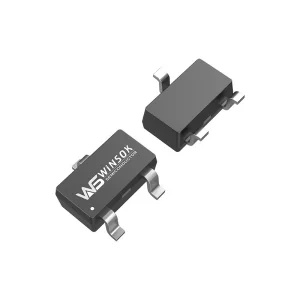
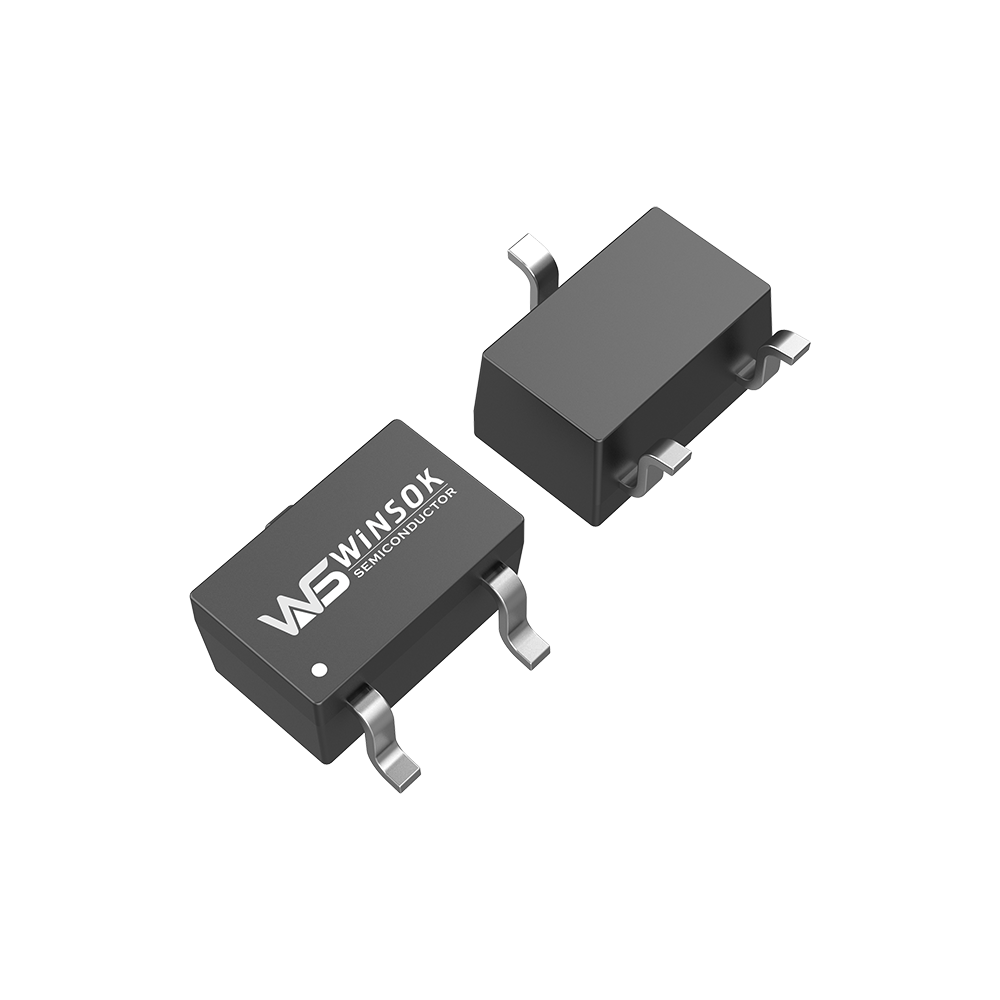
The voltage of WST3032 WST3052 MOSFET is 30V, the current is 0.2A, the resistance is 50mΩ, the channel is N-channel, and the package is SOT-323-3L.
30V
50mΩ
N-Channel
SOT-323-3L
| Part Number | Configuration | Type | VDS | VGS | ID (A) | RDS(ON)(mΩ) | RDS(ON)(mΩ) | Ciss | Package | ||||||||
|---|---|---|---|---|---|---|---|---|---|---|---|---|---|---|---|---|---|
| @10V | @6V | @4.5V | @2.5V | @1.8V | |||||||||||||
| (V) | ±(V) | Max. | Typ. | Max. | Typ. | Max. | Typ. | Max. | Typ. | Max. | Typ. | Max. | (pF) | ||||
| WST3032 | Single | N-Ch | 30 | 20 | 0.2 | - | 5000 | - | - | - | 5500 | - | - | - | - | 42 | SOT-323-3L |
| WST3052 | Single | N-Ch | 30 | 12 | 2.5 | - | - | - | - | 50 | 60 | 60 | 70 | - | - | 286 | SOT-323-3L |
These components are designed for low-power and compact consumer electronics, such as smartwatches, fitness bracelets, miniature portable digital hardware, and battery protective plates.
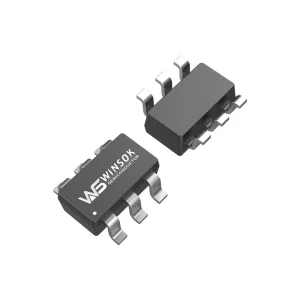
Both WST3032 and WST3052 utilize the miniature SOT-323-3L surface-mount package, which provides a compact footprint for high-density circuit designs.
The WST3032 is optimized for lower current applications (0.2A) with a high gate-source voltage limit of 20V. In contrast, the WST3052 handles higher currents up to 2.5A with a lower maximum gate-source voltage of 12V and significantly lower RDS(ON) resistance.
Compatible cross-reference parts include Nexperia NX3008NBKW, TOSHIBA SSM3K119TU, PANJIT PJC7400, and NIKO PZP103BY.
N-channel MOSFETs typically offer lower on-state resistance (RDS(on)) and faster switching speeds compared to P-channel counterparts in similar package sizes, which improves battery efficiency in wearables.