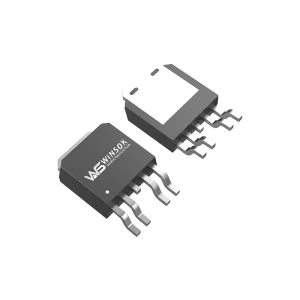
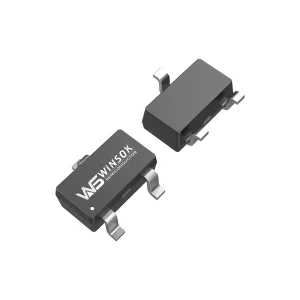
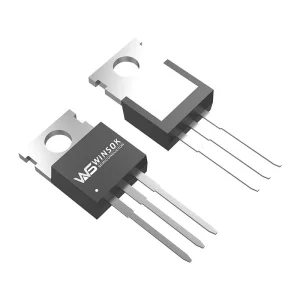
Browse our high-performance Silicon solutions engineered for precise duty cycle control, over-temperature protection, and state-of-the-art charge-discharge control loops.
An engineering whitepaper on reducing conduction losses, thermal runaway risk, and transient switching stress in high-capacity lithium battery systems.
As the global market transitions toward clean energy, lithium-ion battery packs have become the standard energy source for electric vehicles (EVs), light electric vehicles (LEVs), energy storage systems (ESS), and high-reliability consumer electronic devices. Within these systems, the Battery Management System (BMS) acts as the central intelligence hub, protecting the cells from destructive electrical parameters. The execution layer of this protection loop relies almost entirely on the performance of power semiconductor switches: specifically, Power MOSFETs.
Modern high-capacity battery packs demand hundreds of amperes of continuous charge and discharge current. During a short-circuit event or excessive overload, the current can spike to several thousand amperes in milliseconds. The protection MOSFETs must be able to switch off rapidly to prevent catastrophic damage, including fire and thermal runaway. Consequently, the primary engineering constraints when choosing a MOSFET for battery protection circuits revolve around three parameters:
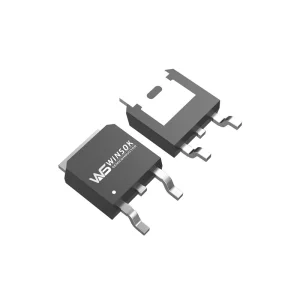
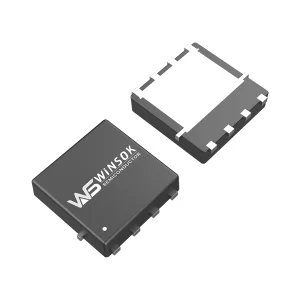
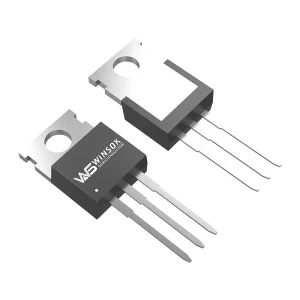
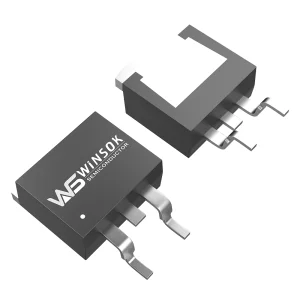
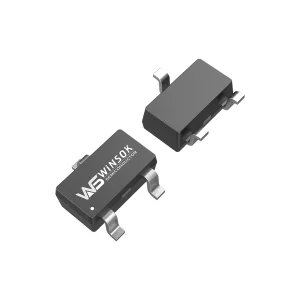
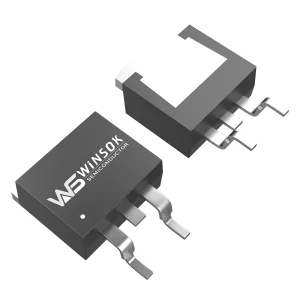
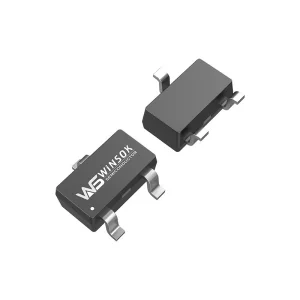
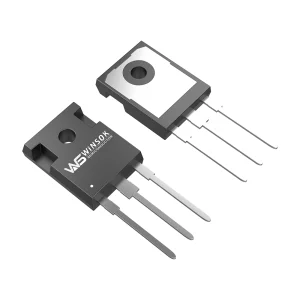
WINSOK MOSFET's product voltages are mainly medium and low voltage, spanning: 15V, 20V, 30V, 40V, 60V, 80V, 100V, 120V, 150V, 200V, 250V, 300V, 400V, 500V, 600V, 650V. By covering both small-scale consumer battery packs and large industrial high-voltage grids, our product array ensures seamless fitment. The main packages include DFN3X3-8, DFN5X6-8, TO-252, TO-263, SOP-8, SOT-23, TO-220, and more, yielding more than 600 models and over 40 packages. This represents one of the most extensive coverages of medium-voltage and low-voltage MOSFET product lines on the global market.
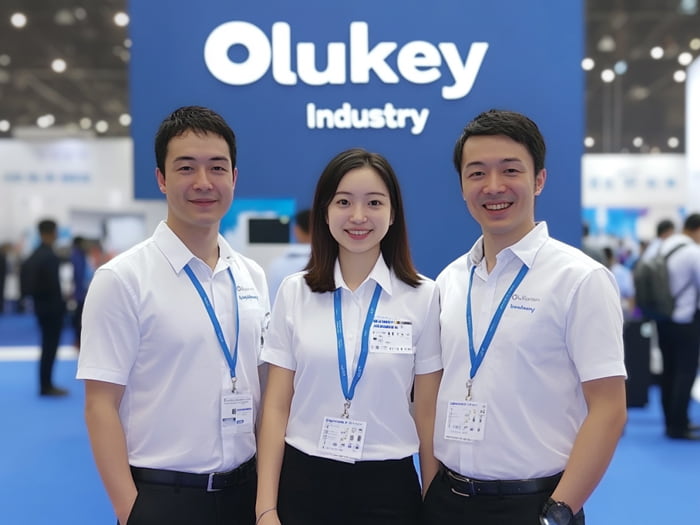
A close look at Hongkong Olukey Industry Co., Limited's semiconductor distribution model and direct-factory advantage.
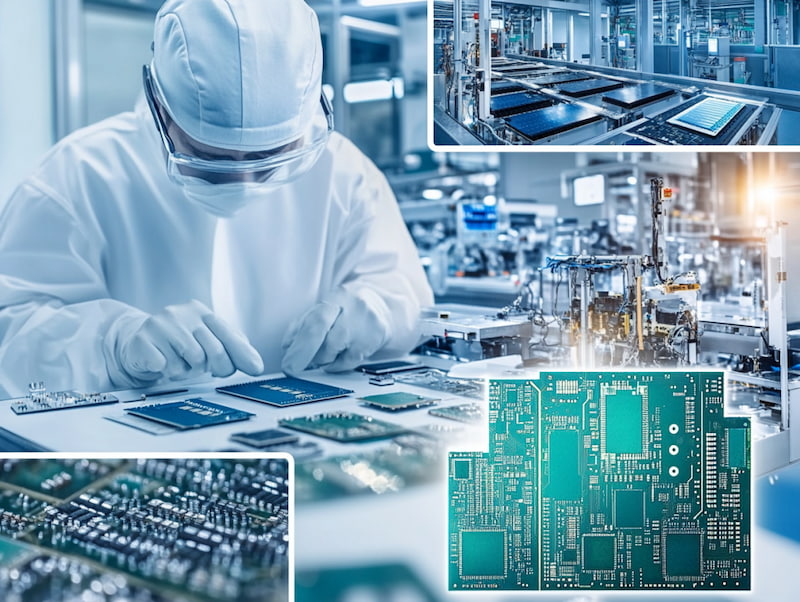
HONGKONG Olukey INDUSTRY CO., LIMITED is a solution provider focusing on the overall solution of electronic product components. The main products mainly include: WINSOK MOSFET, Cmsemicon MCU, PCBA circuit board solution development and other three types of product lines. At present, the products of Olukey Industry are widely used in automotive electronics, military electronics, smart industry, new energy, smart medical care, 5G, Internet of Things, smart home, and various consumer electronics products. Relying on the advantages of global general agents of major original factories, we are based in the Asia-Pacific market. We provide customers with various advanced high-tech electronic components by using comprehensive superior services, assisting manufacturers in producing high-quality products and providing comprehensive services.
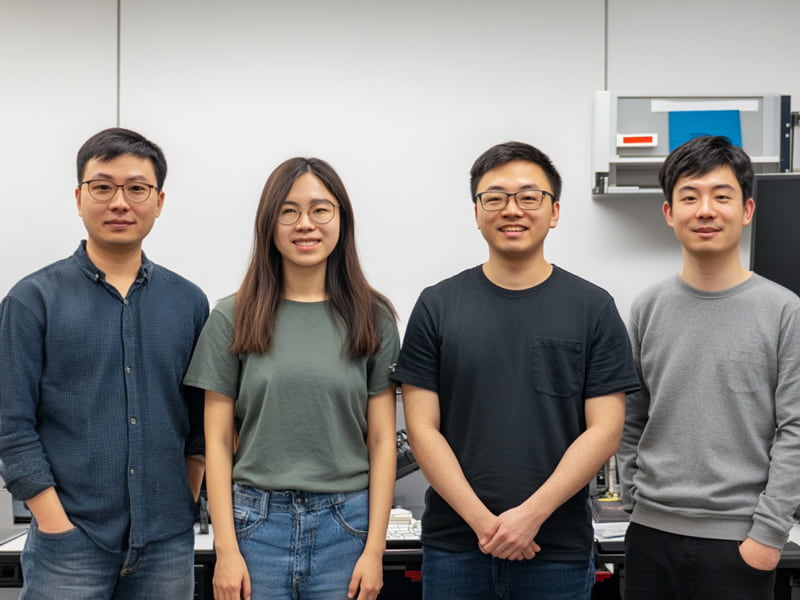
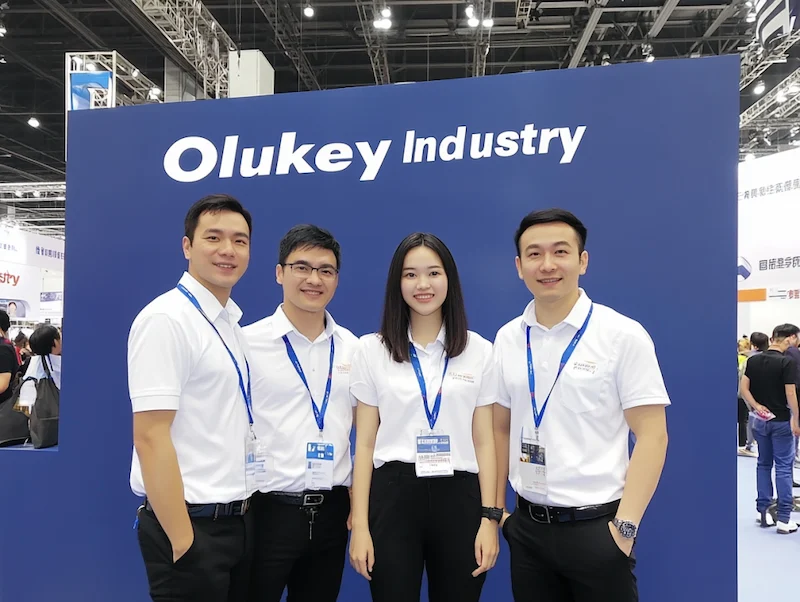

We use comprehensive high-quality services to provide customers with various types of advanced high-tech electronic components, assist manufacturers in producing high-quality products and provide comprehensive services. Over the years, the company has relied on reputation to survive, adhering to the tenet of "quality first, service first", and has established good cooperative relationships with many high-tech enterprises and original manufacturers at home and abroad.
Relying on the advantages of global general agents of major original manufacturers, we are based on the Asia-Pacific market. Through active market development and effective resource integration, it has become one of the outstanding and fast-growing agents in the Asia-Pacific region. The company has many years of professional distribution experience. We use our comprehensive advantageous services to provide customers with various types of advanced high-tech electronic components, assist manufacturers in producing high-quality products and provide comprehensive services.
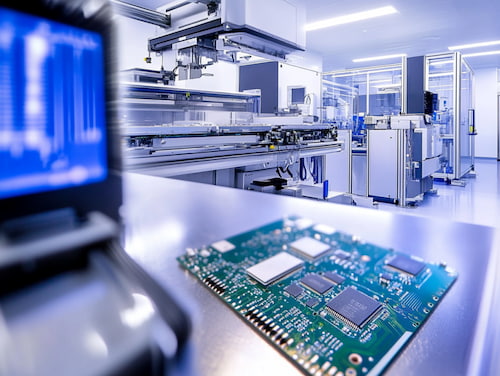
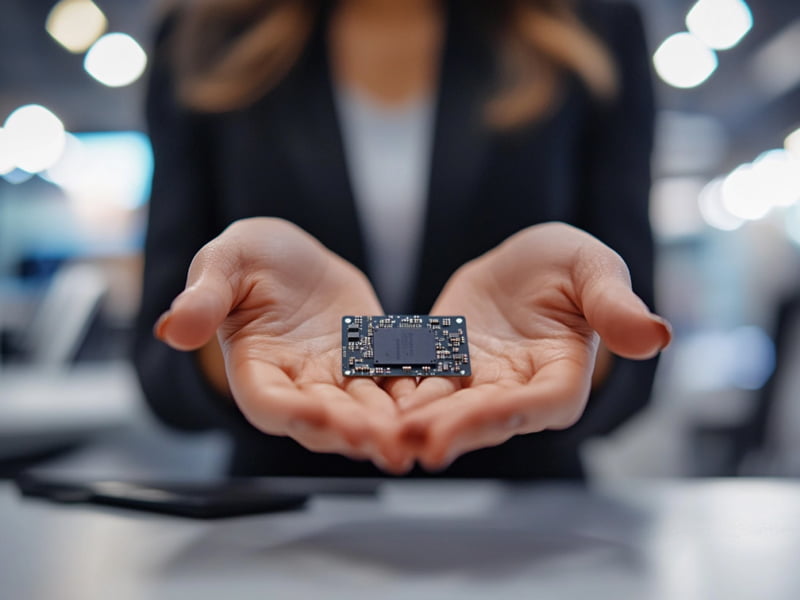
Cmsemicon MCU is a microcontroller company born in Shenzhen, with rich product types and technology research and development experience. Becoming a global high-value agent is the common goal pursued by OLUKEY Industrial employees. We adhere to the corporate values of "Pragmatism, Win-win, Service and Responsibility", continue to strengthen service quality, and aim to provide high-quality services. Work hand in hand with suppliers to jointly explore a larger market and contribute to the prosperity and development of semiconductors.
By offering customized design and direct access to original fab packaging processes, we help battery pack assembly lines achieve optimum energy density targets. Whether your system uses complex multi-cell management with custom MCU microcontrollers or simple series protection circuits, Olukey provides the passive, active, and control semiconductors required to execute modern power design protocols.
Maximize your sourcing flexibility. Winsok Power MOSFETs provide pin-to-pin drop-in replacements for standard international industry models, ensuring supply chain stability.
| Competitor Model | Key Parameters | Winsok Drop-in Equivalent | Target Applications / Package | Performance Gains |
|---|---|---|---|---|
| AOT480L | 80V / 180A, TO-220 | WSK200N08A | Electric Scooters, High-Current BMS (TO-220-3L) | Lower $Q_{gd}$ for faster switching; 8% lower thermals |
| FDP032N08B | 75V / 236A, TO-220 | WSR80N08 | Solar Charge Controllers, E-Bike Power Modules | Optimized avalanche energy resistance ($E_{AS}$) |
| STP130N8F7 | 80V / 110A, TO-220 | WSR80N08 | Heavy Duty Motor Drive, Battery Switches | Improved body-diode recovery time ($t_{rr}$) |
| STP140N8F7 | 80V / 120A, TO-220 | WSK200N08 | Industrial Forklift BMS, Renewable UPS Systems | Sturdier gate oxide layer reducing electro-stress |
| TK72A08N1 | 80V / 72A, TO-220 | WSR80N08 | Portable Outdoor Power Stations (1000W+) | Pin-to-pin equivalent with increased continuous current margin |
| TK72E08N1 | 80V / 150A, TO-220 | WSK200N08A | Telecom Backup Battery Protection Modules | Optimized thermal junction-to-case resistance ($R_{\theta JC}$) |
| PDP8970 | 25V Dual N-Ch, SOT-23 | WST8205A | Single-Cell Li-Ion Protection, Wearables (SOT-23L) | Enhanced Gate-Source ESD Protection up to 2kV |
Evaluating the localized engineering ecosystem and raw material security that makes China-based production essential to global OEMs.
We provide localized engineering test-benches (Shenzhen and Hong Kong labs) that replicate field stresses. By analyzing transient $V_{DS}$ spikes directly in the target PCB layouts of our buyers, we eliminate long-distance debugging cycles. Customers receive direct tuning support for gate resistor networks ($R_g$) to balance EMI emissions and turn-off speeds.
Every single Winsok silicon wafer and package configuration complies strictly with RoHS 2.0, REACH, and CE regulations. For automotive grade and extreme environment designs, selective components undergo thermal cycling tests under AEC-Q101 equivalent validation frameworks to assure field reliability exceeding 10 years.
Operating out of the primary hub of global electronics manufacturing grants Olukey a massive advantage. We bridge the gap between wafer fabrication plants and assembly test sites. This vertical packaging consolidation ensures that even under global wafer allocation shortages, our factory clients receive steady component flow with steady prices.
Modern battery designs demand low-profile packaging. The expansion of DFN3X3-8 and DFN5X6-8 packages allows engineers to place protection MOSFETs on the bottom side of double-sided BMS PCBs, directly adjacent to copper bus bars. This reduces overall resistance of the copper trace paths and keeps heat dissipation localized to the cooling plane. Our TO-263 and TO-252 packages are optimized for pick-and-place automation, allowing automated inspection (AOI) to pass at rates exceeding 99.99%.
As raw material and supply chain security become top-level metrics for procurement managers, relying on single-source suppliers is risky. Olukey works as a key secondary source or direct cost-optimization primary partner. We offer:
Answers to the most common engineering and procurement questions regarding low-resistance battery management switch design.
Browse our robust medium and high-voltage power switches designed for heavy industrial batteries, electric power tools, and high-frequency inverters.
 Olukey