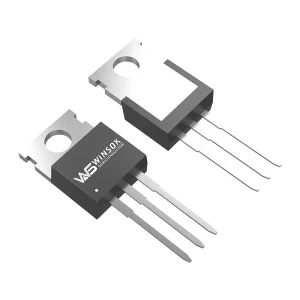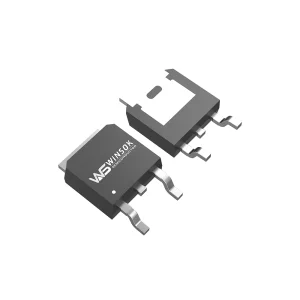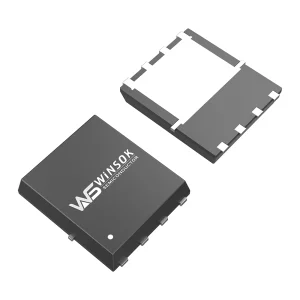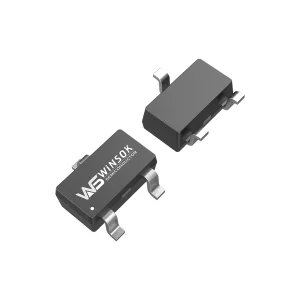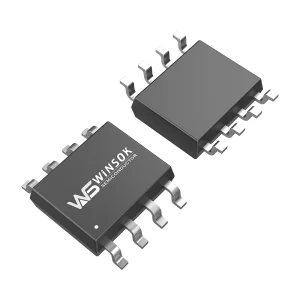
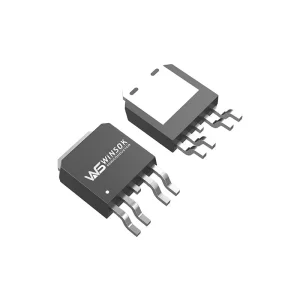
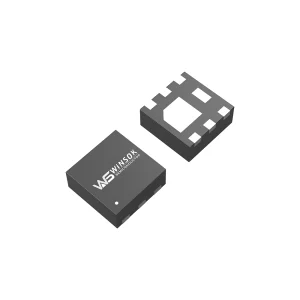
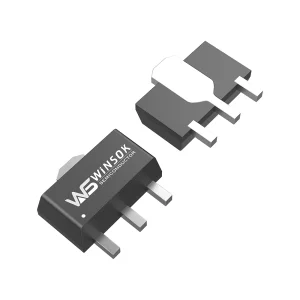
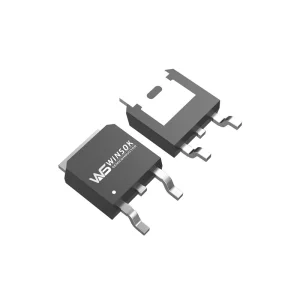
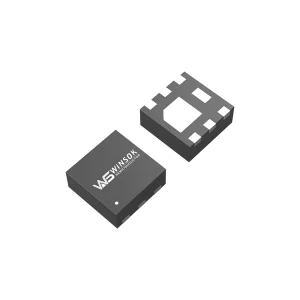
In modern automotive architectures, the Electronic Control Unit (ECU) serves as the nervous system of the vehicle, managing everything from safety-critical systems like anti-lock braking (ABS) and electric power steering (EPS) to comfort systems like climate control and power windows. As vehicles transition rapidly toward electrification (EVs) and advanced software-defined architectures (ADAS), the demand for high-reliability, rugged power semiconductors has grown exponentially. Power MOSFETs (Metal-Oxide-Semiconductor Field-Effect Transistors) represent the primary switching elements inside these ECUs, steering currents, driving inductive loads, and managing battery topologies.
However, the global semiconductor supply chain remains vulnerable to systemic shocks, single-source dependencies, and fluctuating lead times. Global tier-1 automotive suppliers are increasingly migrating toward a dual-sourcing paradigm. Using high-performance drop-in equivalents manufactured in advanced hubs like China has transformed from a contingency plan into a primary procurement strategy. This proactive diversification ensures manufacturing continuity without sacrificing the strict safety boundaries required by AEC-Q101 standards.
Substituting an automotive-grade MOSFET requires deep technical alignment. To qualify an equivalent, hardware engineers must run extensive comparative validation across several key electrical and thermal matrices to ensure no degradation of the overall system efficiency or safety margining.
The drain-source breakdown voltage (Vdss) must meet or exceed the original specification to withstand voltage spikes. Additionally, the Static Drain-Source On-Resistance (Rds(on)) must be equal or lower to prevent excess conduction losses and heat generation inside the ECU casing.
Total Gate Charge (Qg) and Gate-to-Drain Charge (Qgd) dictate switching speeds and gate-driver load. A matching Qg prevents switching losses (thermal escalation) and eliminates compatibility issues with legacy gate drivers.
Automotive ECUs operate under demanding environment conditions (-40°C to +125°C or +150°C). The equivalent device must offer low junction-to-case thermal resistance (Rthjc) to guarantee adequate heat dispersion through thermal vias and heatsinks.
| Typical Application | Common Legacy Brand P/N | China WinSOK Equivalent | Vdss (V) | Rds(on) Typ (mΩ) | Package Type |
|---|---|---|---|---|---|
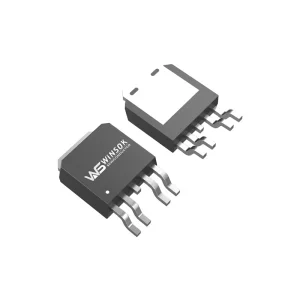
| EPS & Motor Drive | IPD060N06N | WSF6038 / WSF20N06 | 60V | 24A / 18mΩ | TO-252-2L |
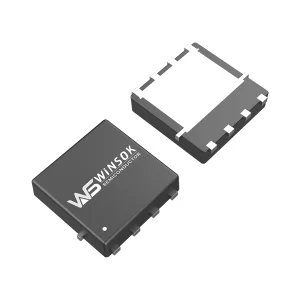
| Automotive DC-DC Converter | BSC095N03MSG | WSD3095DN56 | 30V | 95A / 3.2mΩ | DFN5X6-8L |
| Battery Management BMS | BSC100N10NSF | WSD75N12GDN56 | 120V | 75A / 8.5mΩ | DFN5X6-8 |
| Body Control Module (BCM) | SI4417DY | WSP4417 | -30V | 23.8A / 14mΩ | SOP-8L |
China's dominance in the power semiconductor landscape is fueled by comprehensive industrial integration. From silicon wafers and raw materials to packaging plants and test labs, the entire ecosystem is colocated. This density shortens the production lifecycle, allowing fabs to run highly optimized cycles with significant output efficiency.
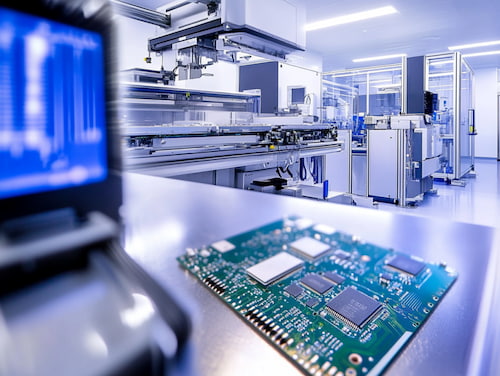
Furthermore, Chinese fabs utilize state-of-the-art automated testing setups and implement strict trace systems complying with automotive manufacturing parameters. This robust environment yields major advantages:
Automotive MOSFET equivalents are deployed across multiple subsystems inside modern internal combustion (ICE), hybrid (HEV), and battery electric vehicles (BEV). Here is a breakdown of their primary hardware footprints:
BCMs control door locks, ambient lighting, wipers, and seat actuators. MOSFETs like the P-channel WSP4417 and WSE3099 act as solid-state switches, replacing bulkier mechanical relays to save PCB footprint and eliminate mechanical wear.
Cooling pumps, engine fans, and electronic throttle valves rely on H-bridge driver configurations. Medium-voltage power MOSFETs like the WSF6038 (N-channel, 60V, 24A) manage high current spikes and inductive kickback with ease.
Radar, LiDAR, and camera modules need ultra-clean power conversion. Low-voltage, compact dual MOSFETs such as the WSD2065DN22 (Dual P-Ch, -20V) are optimal for space-constrained, noise-sensitive sensor boards.
Purchasing managers inside international automotive groups face constant pressure to balance component availability and quality. Mitigating these risks requires structural changes in vendor relationships. Relying solely on direct franchised distributors of legacy semiconductor makers often exposes companies to localized logistics issues or geopolitical friction.
A resilient strategy relies on pre-qualifying independent alternative distributors that hold physical inventory in global trade centers. By validating equivalents during the design phase, automotive firms gain immediate access to parallel stock lines, bypassing the standard 30+ week lead times during peak market demand cycles.
HONGKONG Olukey INDUSTRY CO., LIMITED is a leading solution provider focusing on the overall integration and supply of electronic components. The company's core expertise spans three high-demand product lines: WINSOK MOSFETs, Cmsemicon MCUs, and end-to-end PCBA circuit board solution development.
At present, Olukey Industry's advanced products are widely deployed in automotive electronics, military electronics, smart industrial environments, new energy systems, medical diagnostics, 5G communications, the Internet of Things (IoT), smart home appliances, and consumer electronics. By leveraging the logistical and pricing advantages of acting as global general agents of major original factories, we support the entire Asia-Pacific market. We supply global manufacturers with cutting-edge, high-reliability electronic components, ensuring efficient supply chains, comprehensive technical support, and exceptional end-product quality.

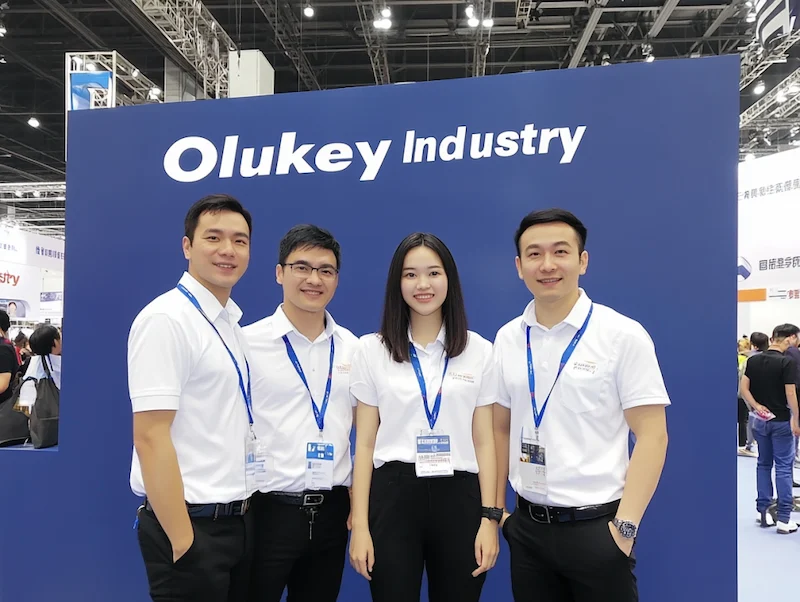

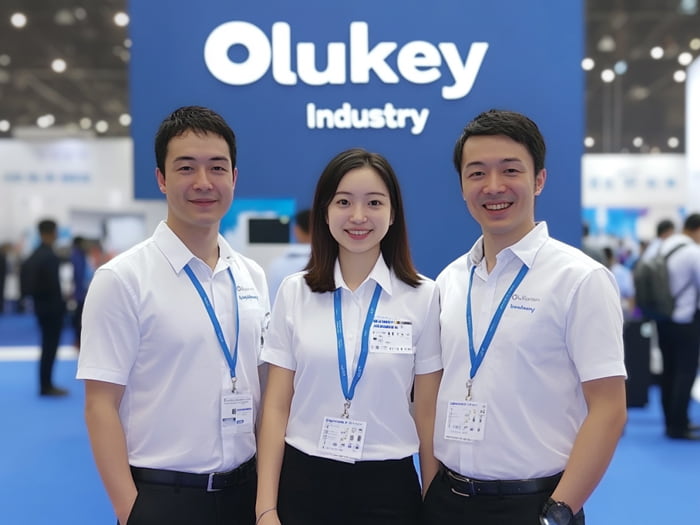
Our business foundation is built on exceptional service, quality control, and supply transparency. Over the years, Olukey Industry has grown by adhering to a core operating philosophy: "Quality first, service first." We establish long-term, cooperative relationships with global high-tech enterprises and semiconductor component manufacturers.
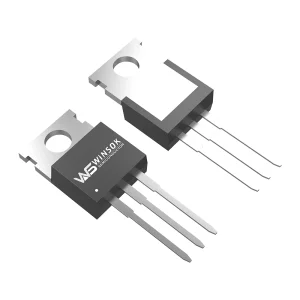
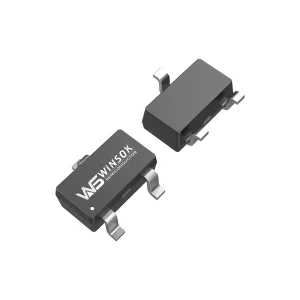
WINSOK MOSFET's extensive portfolio focuses primarily on medium- and low-voltage applications, offering a voltage spectrum that spans: 15V, 20V, 30V, 40V, 60V, 80V, 100V, 120V, 150V, 200V, 250V, 300V, 400V, 500V, 600V, and 650V. These devices are packaged in industry-standard forms, including DFN3X3-8, DFN5X6-8, TO-252, TO-263, SOP-8, SOT-23, and TO-220, among others. With over 600 unique models and 40 package types, WINSOK provides complete drop-in cross-references for the vast majority of power MOSFETs on the market today.
Complementing this power portfolio, our partnership with Cmsemicon MCU (a premier microcontroller developer born in Shenzhen) brings a wealth of embedded processing options. Working in tandem with our suppliers, the team at Olukey strives to explore larger global semiconductor markets, driving value, pragmatism, and responsibility across the electronics supply chain.
The automotive industry is facing major structural transitions. While wide-bandgap (WBG) materials like Silicon Carbide (SiC) and Gallium Nitride (GaN) dominate high-voltage EV drivetrains, silicon-based power MOSFETs remain the workhorse of 12V and 48V auxiliary systems. Several trends are defining the roadmap for these essential devices:
 Olukey