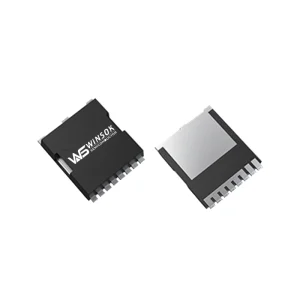
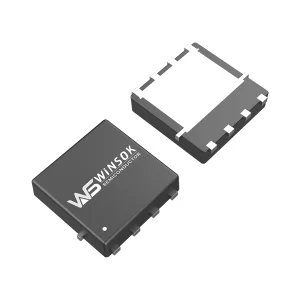
High-efficiency switching devices tailored for high-speed resonance and stable power transmission arrays.
Melbourne's commercial, residential, and industrial landscape is experiencing an unprecedented surge in smart device integration. As Australia's fastest-growing tech city, Melbourne has set clear directions toward sustainable infrastructure, dynamic workspace designs, and high-efficiency automation. In this landscape, the demand for **All-in-One Wireless Charger** solutions has moved from a consumer luxury to an essential commercial amenity.
From office refurbishments in Docklands and Cremorne to retail spaces along the Bourke Street Mall, local enterprises require high-performance, robust, and in-stock wireless charging stations. However, the physical casing and aesthetic shell are only the surface. The core efficiency, thermal footprint, and reliability of these all-in-one charging pads are fundamentally defined by the high-tech components inside: specifically, advanced N-channel and P-channel MOSFETs and intelligent Microcontroller Units (MCUs).
Under the hood of a Melbourne-deployed multi-device charging station, hundreds of power state shifts occur per second. Without premium semiconductor architectures like those offered by WINSOK and Cmsemicon, charging systems suffer from thermal throttling, low energy transfer rates, and failure to comply with strict Australian electrical safety standards (such as the Regulatory Compliance Mark - RCM).

Mapping the transition toward Qi2 standards, GaN co-integration, and smart building energy management.
The global wireless power market is projected to grow exponentially over the next decade. Major technology ecosystems have coalesced around standardizing electromagnetic induction methods. The recent unveiling of the **Qi2 standard**, incorporating magnetic alignment (similar to Apple's MagSafe tech) across both Android and iOS devices, has revolutionized the industry. Global enterprises are demanding multi-channel all-in-one charging stations capable of providing fast charging (15W to 30W wireless output) to multiple devices simultaneously—typically smartphones, smartwatches, and wireless earbuds.
Designing an all-in-one wireless charger that supports high-frequency concurrent charging requires sophisticated power topology. Typical topologies include H-bridge resonant inverters and buck-boost converters. In these architectures, the energy loss is dominated by the conduction and switching losses of the power transistors. **WINSOK MOSFETs** solve this engineering bottleneck by minimizing the drain-source on-resistance (RDS(ON)) and gate charge (Qg), translating to cooler operational temperatures and higher overall power conversion efficiency.
As corporate offices worldwide transition to hot-desking, global procurement departments are seeking reliable manufacturing partners who can supply reliable, high-volume components. Whether integrating wireless charging directly into airport lounge seating, automotive center consoles, or hospital bedside tables, the underlying requirement is clear: robust, traceable componentry with guaranteed long-term availability.
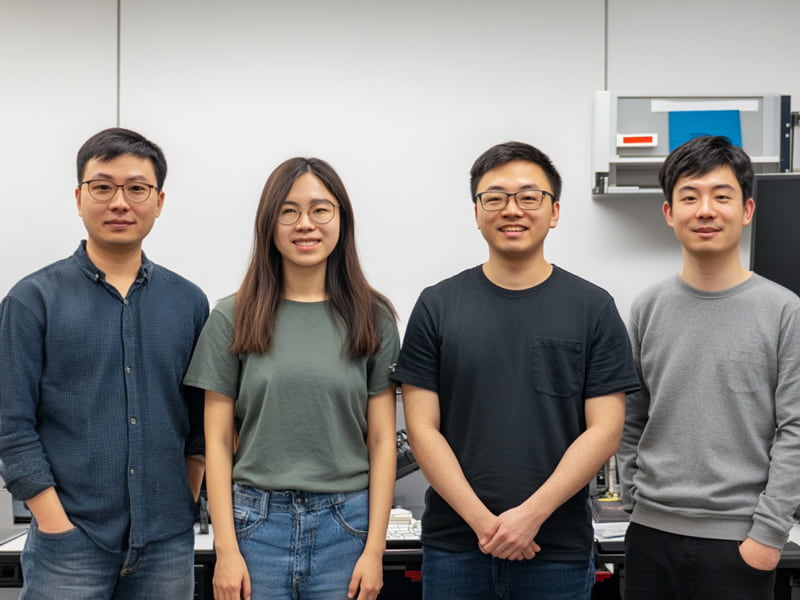
The manufacturing epicentre for modern high-frequency consumer and industrial electronics is concentrated in the Shenzhen-Dongguan-Hong Kong corridor. By aligning our distribution and solution development framework in this region, **Hongkong Olukey Industry Co., Limited** delivers unmatched cost efficiency and speed-to-market benefits directly to Melbourne buyers.
Our integrated manufacturing approach offers three critical strategic advantages:
Why WINSOK MOSFETs and Cmsemicon MCUs outperform traditional discrete component setups.
An All-in-One Wireless Charger is an elegant solution to cable clutter, but engineering it is an exercise in complex thermal management. Standard wireless chargers dissipate between 20% to 30% of their energy as heat. This heat not only degrades the device's battery life but also triggers thermal shutdown protocols inside the smartphone.
To mitigate this, Olukey Industry leverages the specific strengths of **WINSOK MOSFETs** and **Cmsemicon MCUs**:
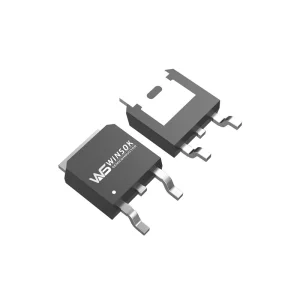
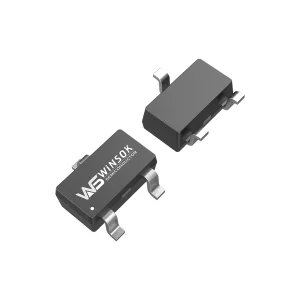
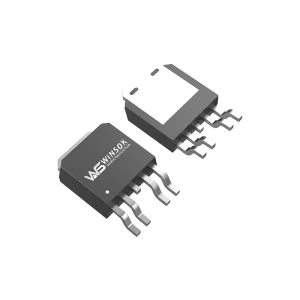
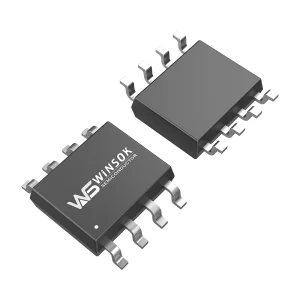
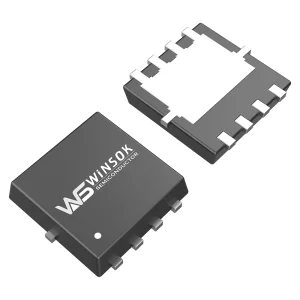
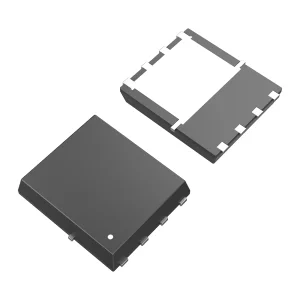
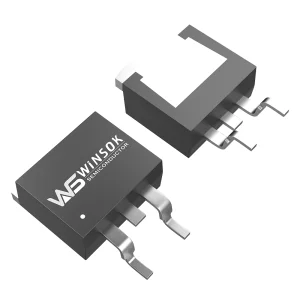
Featuring a voltage line span from 15V up to 650V in over 40 distinct package form factors (including SOT-23, SOP-8, DFN3x3, and TO-252), WINSOK transistors offer ultra-low RDS(ON). For instance, in our DFN3x3-8 packaging, we achieve sub-milliohm levels of resistance. This keeps the charger surface cool, ensuring safe operation for all users.
By pairing WINSOK switches with Cmsemicon's 8-bit RISC and 32-bit ARM cores, we establish a robust closed-loop regulation system. The MCU detects changes in the magnetic coupling between the transmitter and receiver coils, dynamically modulating the switching frequency to maintain optimal resonance. It also provides advanced safety features, including Over-Current Protection (OCP), Over-Voltage Protection (OVP), and foreign object detection (FOD).
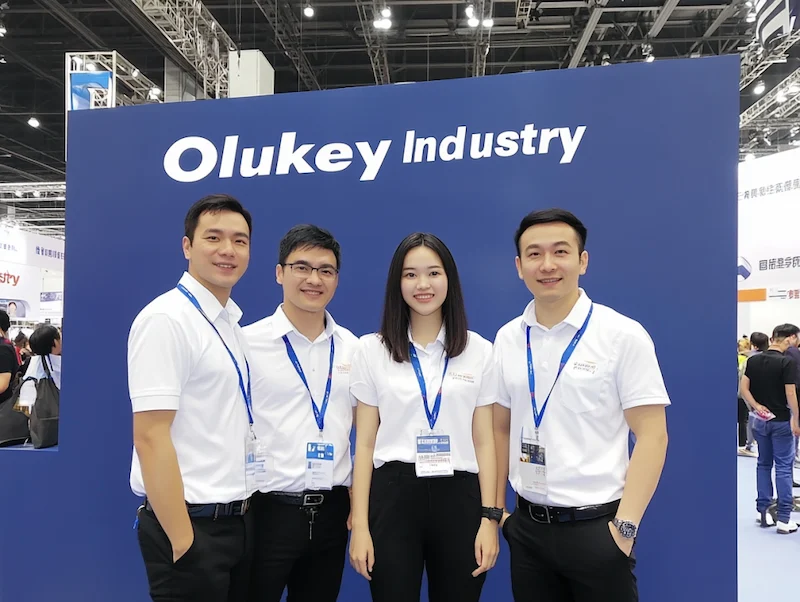


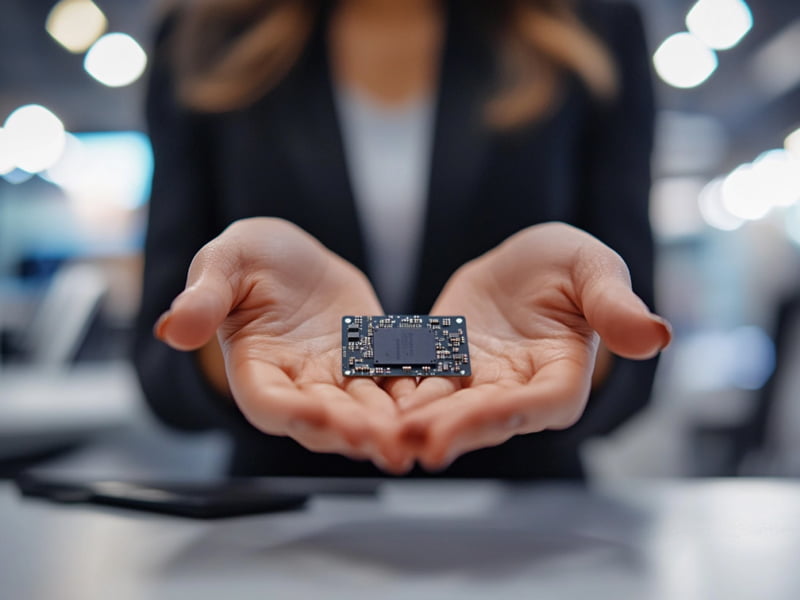
Fully compliant with international performance protocols. In-stock and ready for immediate deployment to Melbourne and global trade hubs.
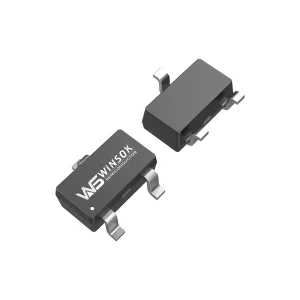
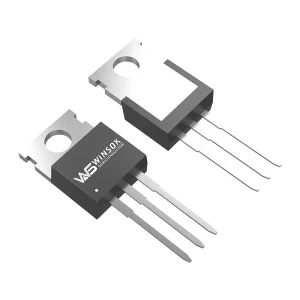
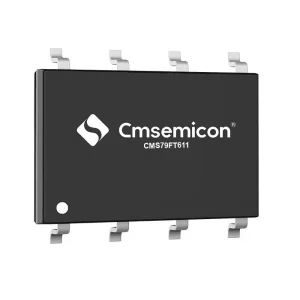
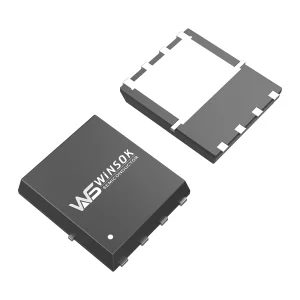
Discover how our high-end wireless charging solutions are deployed across Victoria’s commercial landscapes.
Integrating custom multi-charger layouts into office desks across Melbourne CBD, Southbank, and Richmond. These units provide concurrent, stable charging for corporate laptops, tablets, and phones, operating continuously throughout the workday without system overheating.
Providing flush-mounted charging modules for dining tables, lounges, and bar counters in Melbourne's iconic dining lanes and luxury retail hubs. Sealed housings protect the circuitry from liquid spills while delivering high-speed power transmission.
Applying high-efficiency wireless transmission fields to automated guided vehicles (AGVs) and handheld scanning systems in warehousing centers in Dandenong and Truganina. High-reliability MOSFET configurations enable fast, contactless charging cycles.
Procuring wireless charging hardware and underlying chipsets at scale requires a manufacturing partner that understands global standards and local compliance. Hongkong Olukey Industry guarantees that all custom designs and distributed components meet international testing standards, simplifying the supply chain process for Melbourne engineering and procurement directors.
Our operational capabilities include:
We work directly with major logistics networks to coordinate shipments via sea or air, ensuring on-time delivery to Victorian ports and Tullamarine cargo terminals.
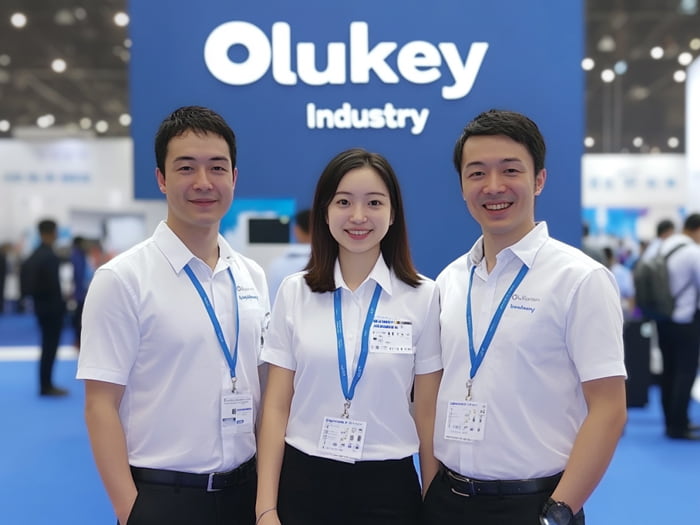
Answers to key engineering and procurement questions regarding wireless power systems.
Whether you need volume pricing on in-stock MOSFETs, custom MCU firmware development, or a turnkey PCBA solution for the Melbourne market, our engineering team is here to support your project.
Send Inquiry Now Olukey